
Fine motor activities
Pinching, threading, screwing, measuring, cutting: every precise movement prepares the hand for writing, without ever telling your child. The materials come from your kitchen, and the control of error is built into the object.
21 Fine Motor activities, sorted by age. Every one works at home, with what you already have.
For 18 to 24 months
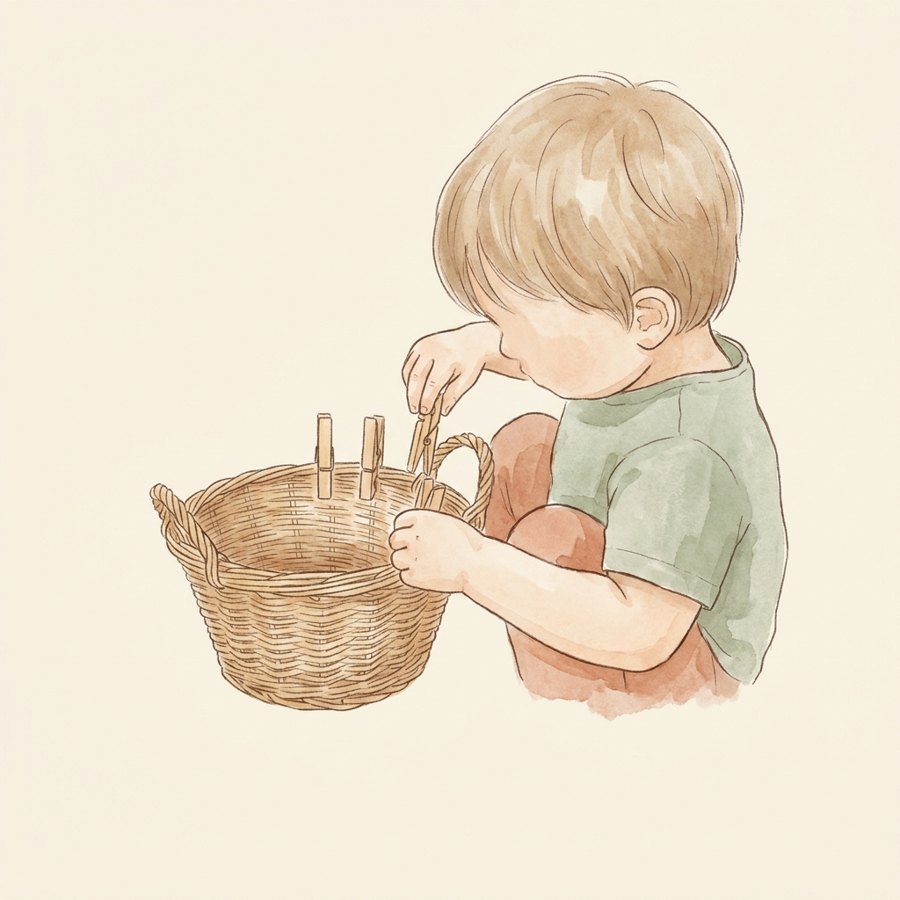
Clothespins on a Basket
Pinch, clip, unclip: three fingers building the grip they will use to hold a pencil.
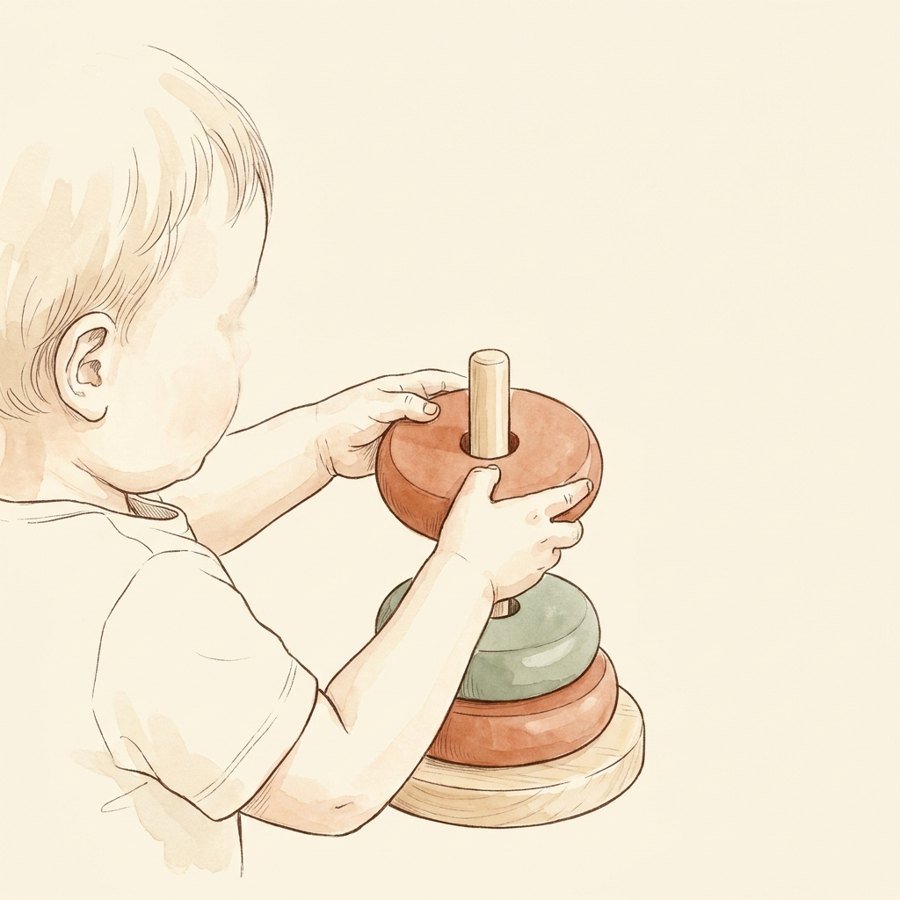
Ring Stacking
Aim, slide, let go: the first precision movement, with a satisfying sound at the end.
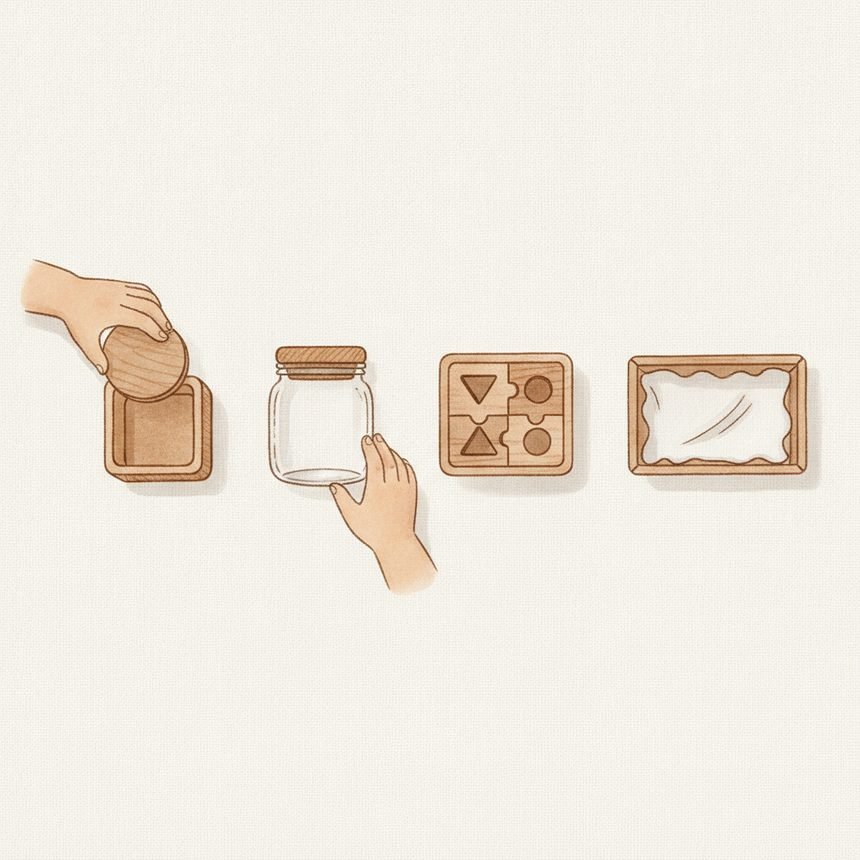
Opening and Closing Containers
Containers of every kind, to open and close again: each lid asks for a different move.
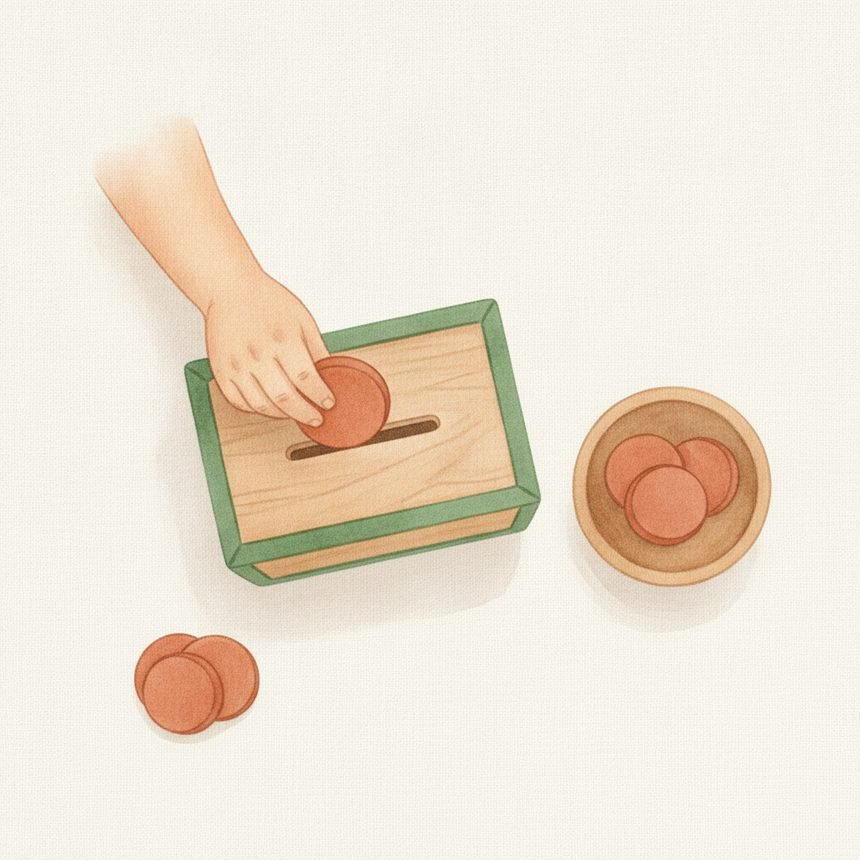
The Coin Box
Sliding big coins through a slot, then opening the box back up to find them: a classic that never fails to captivate.
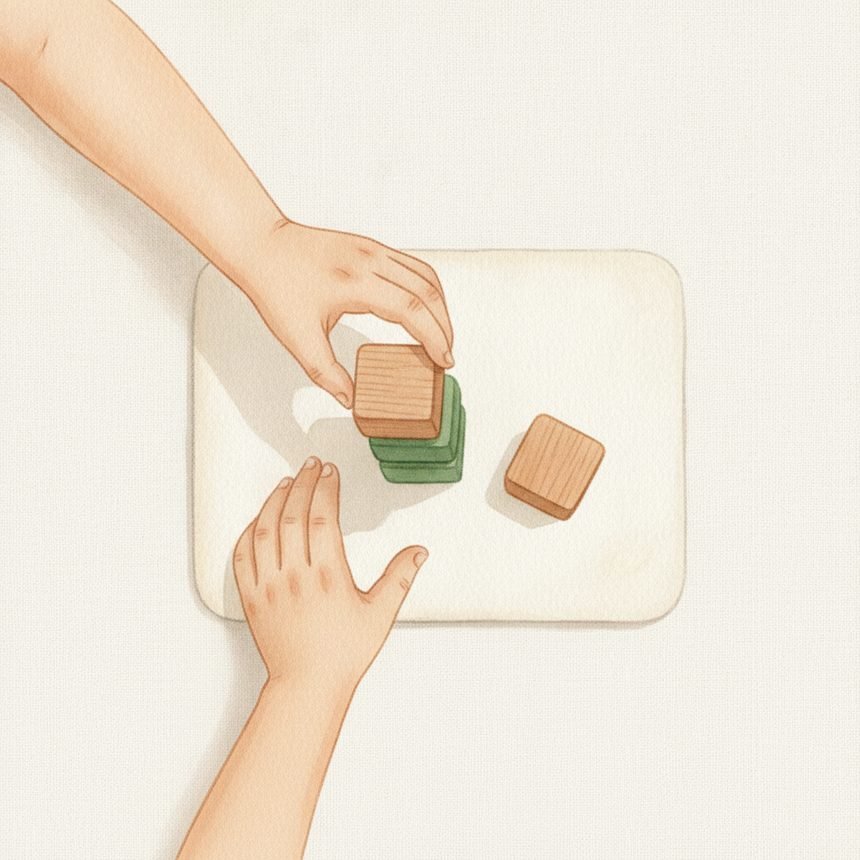
Stacking Blocks
Setting one block on another, letting go without knocking it over: the hand learns gentleness.
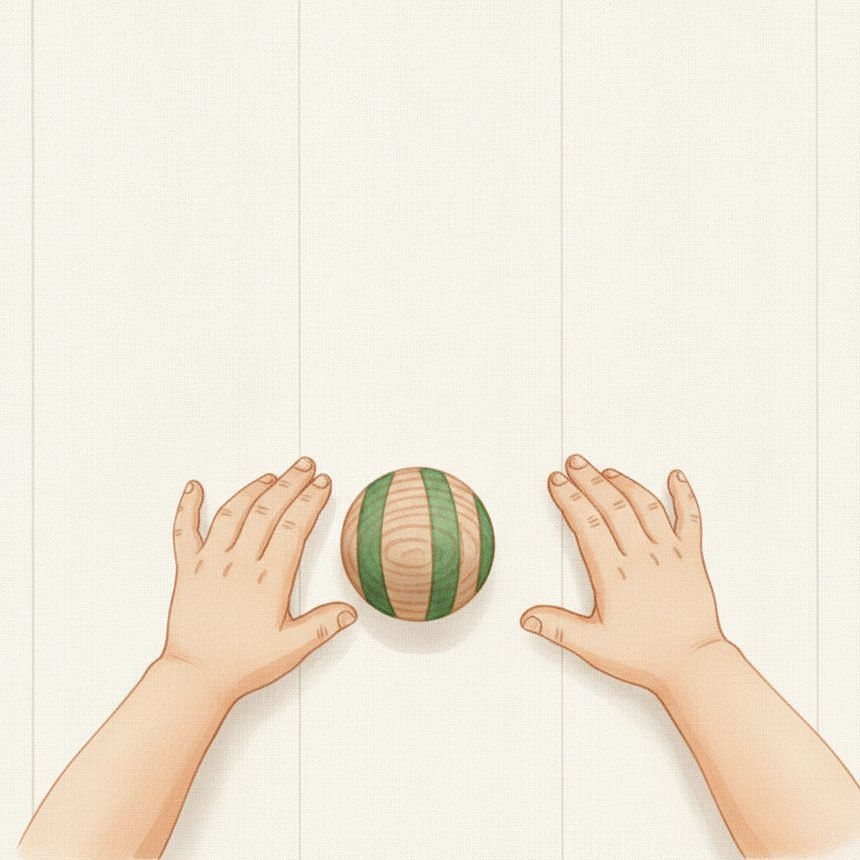
Rolling a Ball
A ball that leaves, rolls, and comes back: the first back-and-forth with another person, no words needed.
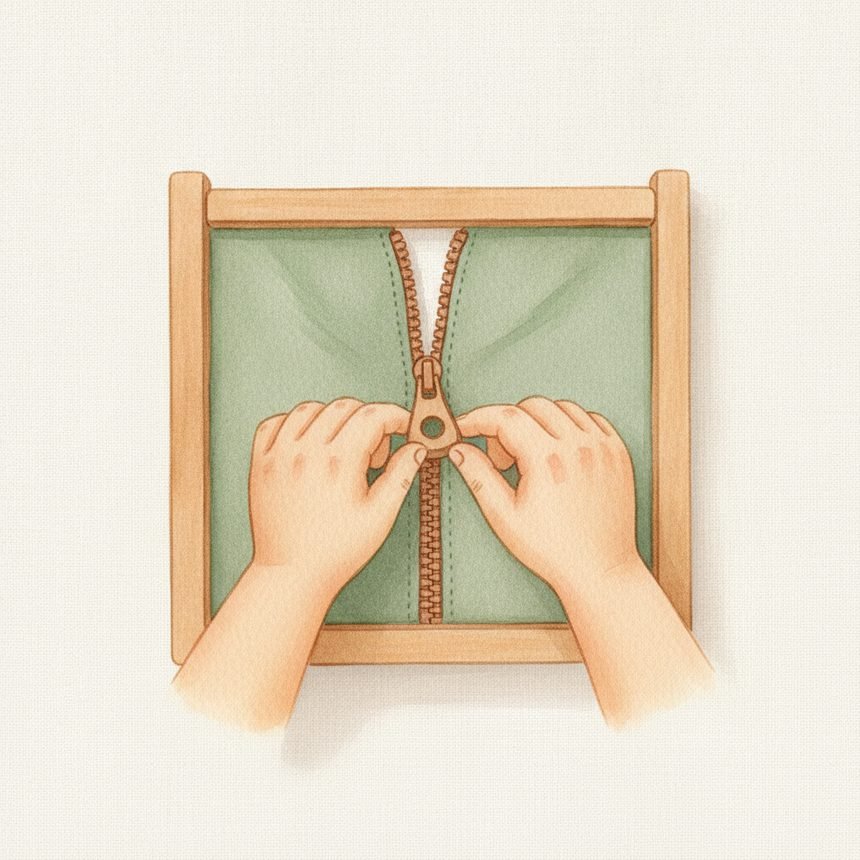
Zipper Practice
Pinching the zipper pull and tugging in one clean motion: a movement that opens coats and pencil cases.
For 2 to 3 years
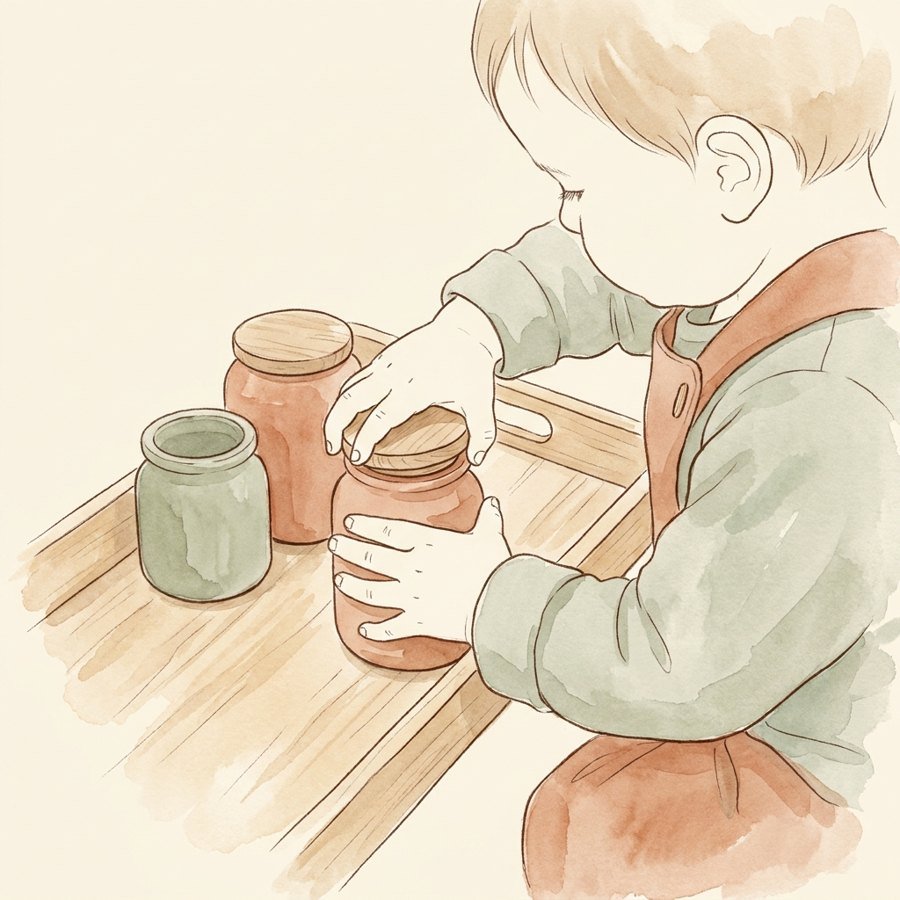
Screwing and Unscrewing
Three jars, three lids, and a wrist rotation to master.
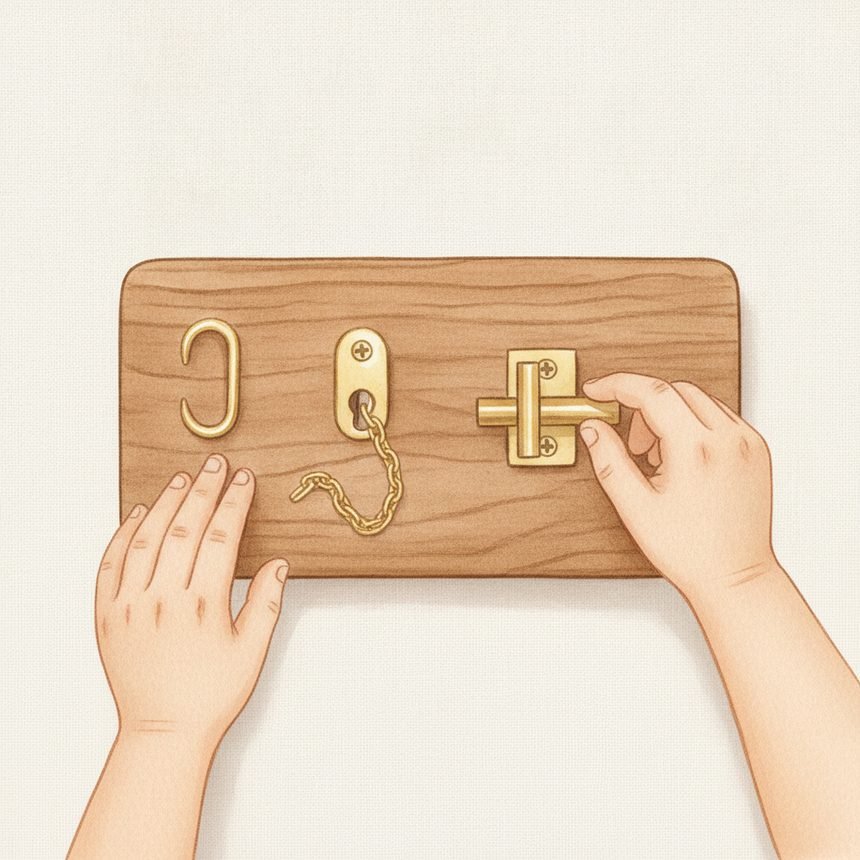
Locks and Latches
A slide bolt, a hook, a chain, a padlock: every closure in the house, gathered on one board to explore.
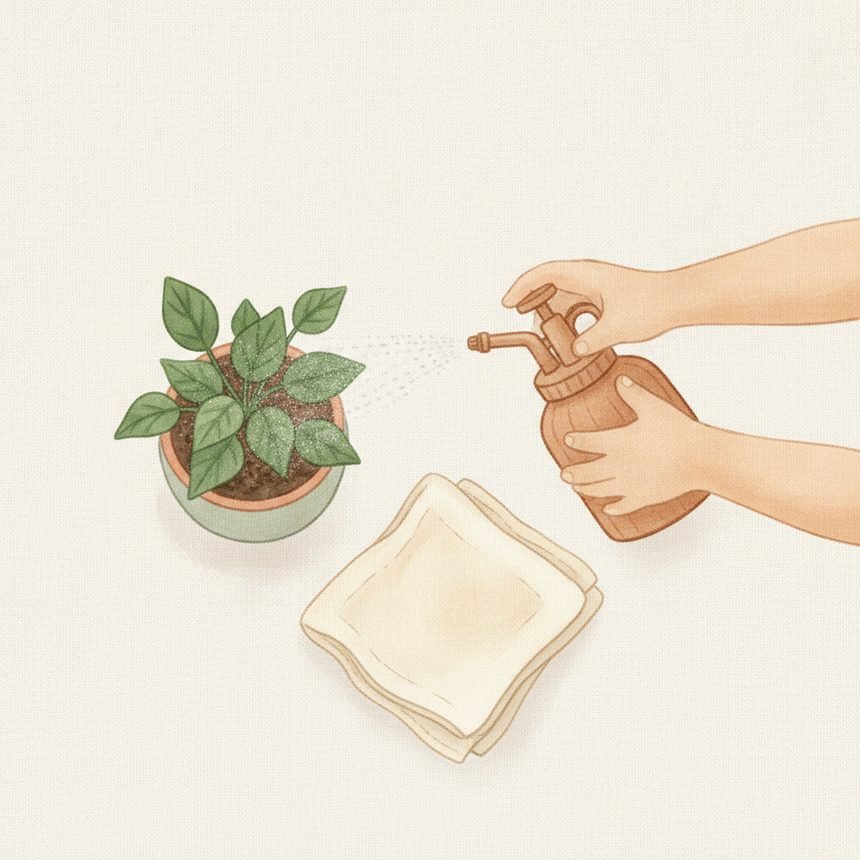
The Spray Bottle
Squeezing a spray bottle trigger to mist the plants: a hand building strength for writing.
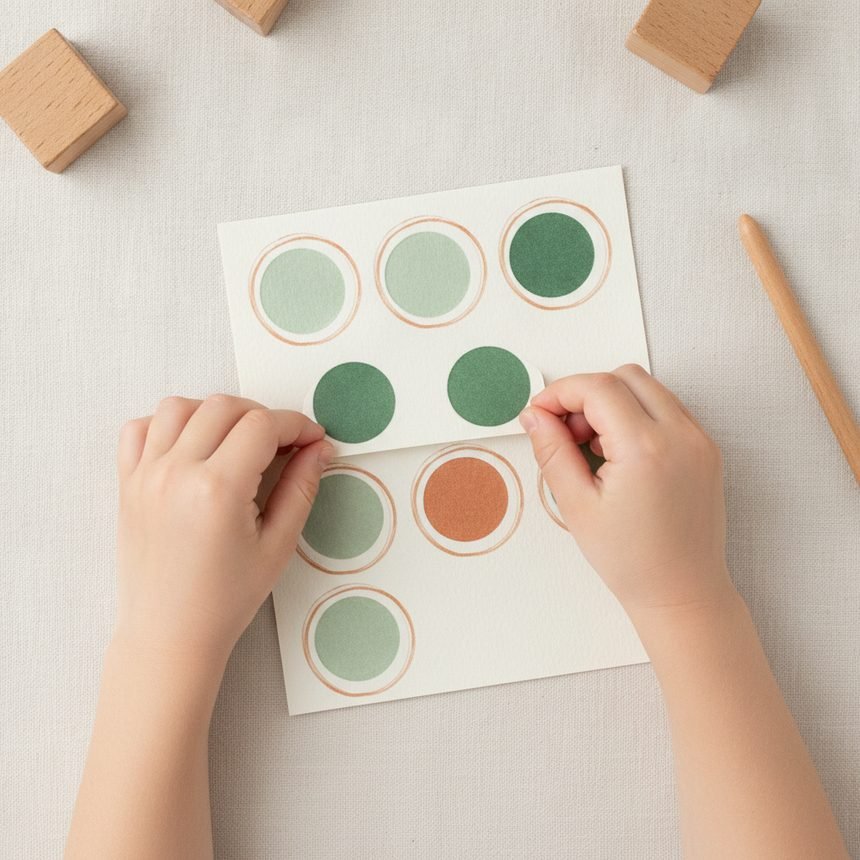
Sticker Play
Peeling a sticker off with the tips of your fingers and sticking it on a drawn circle: the pincer grip takes shape.
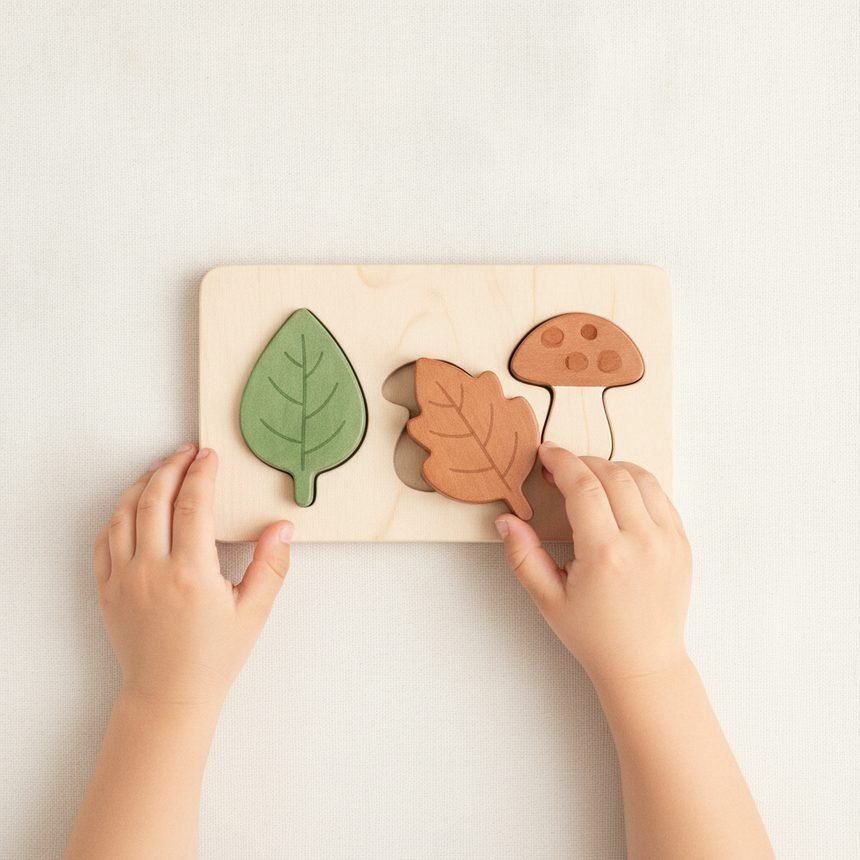
The Three-Piece Puzzle
Three shapes to fit back in their wells: turn, aim, set down.
For 3 to 4 years
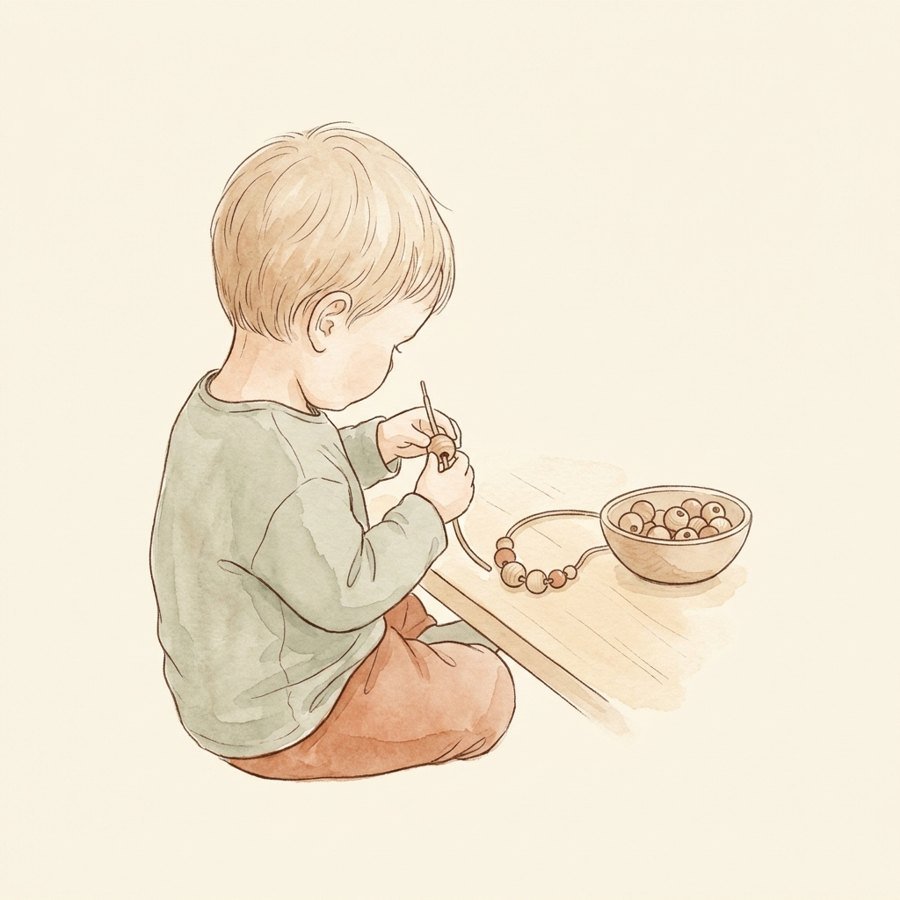
Stringing Beads
Aiming a shoelace at a hole a few millimeters wide. Guaranteed concentration.
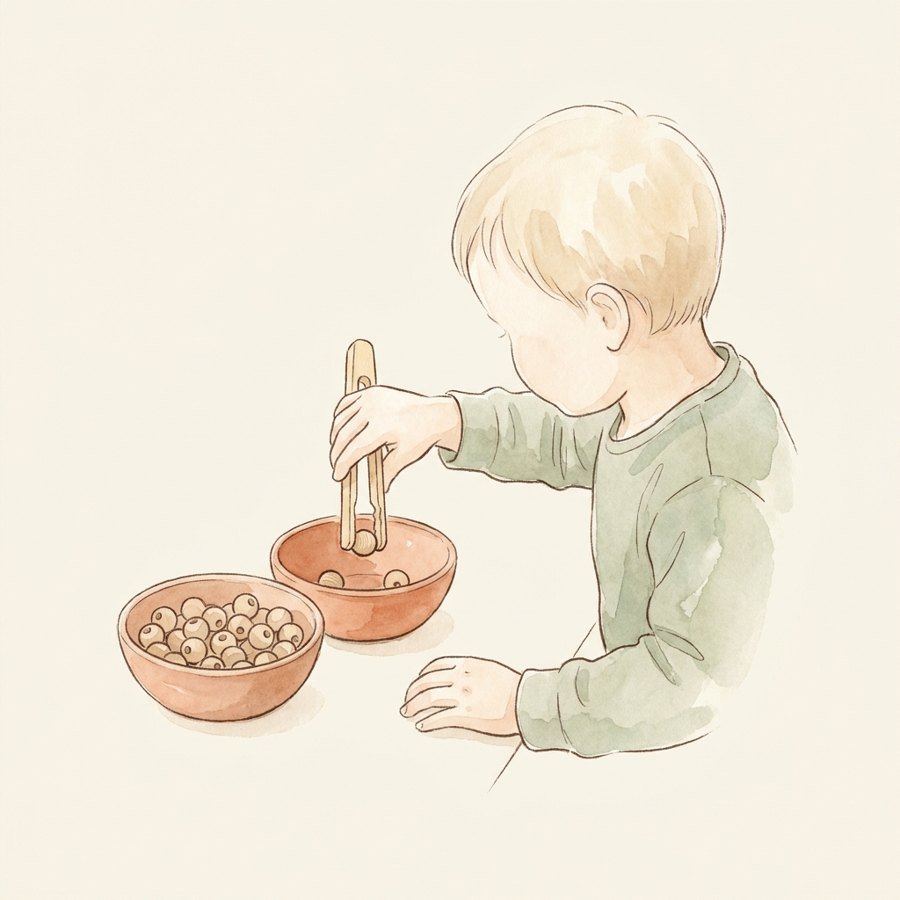
Tong Transfer
A pair of tongs, an empty compartment to fill, and three fingers working in silence.
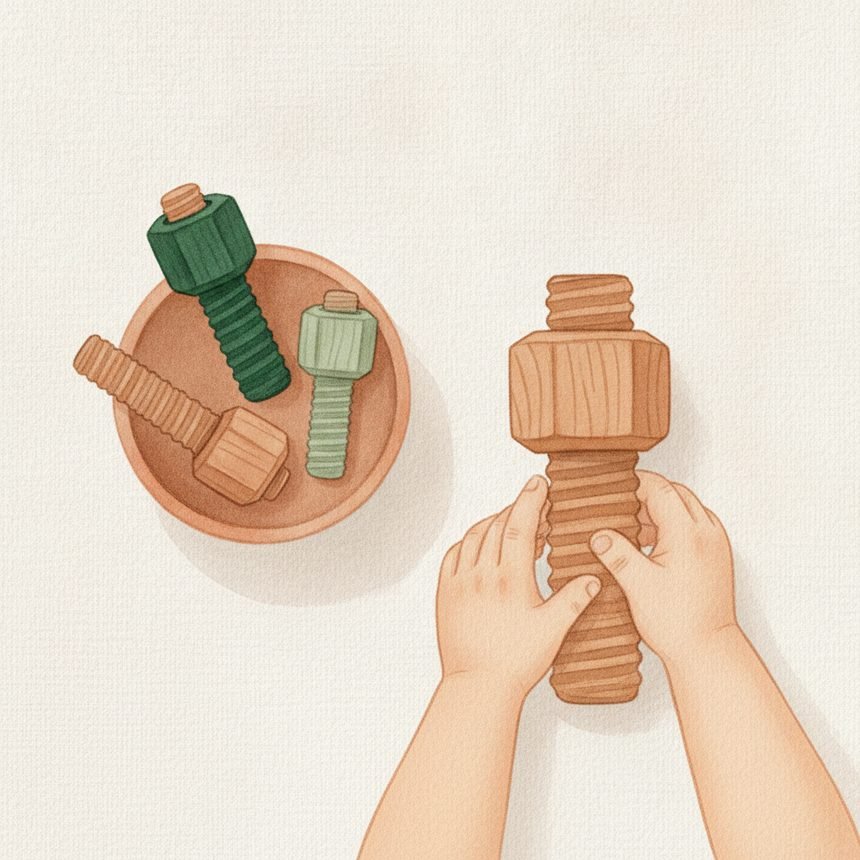
Nuts and Bolts
Real bolts, real nuts, and sizes that must never be mixed up: a workshop at your child's fingertips.
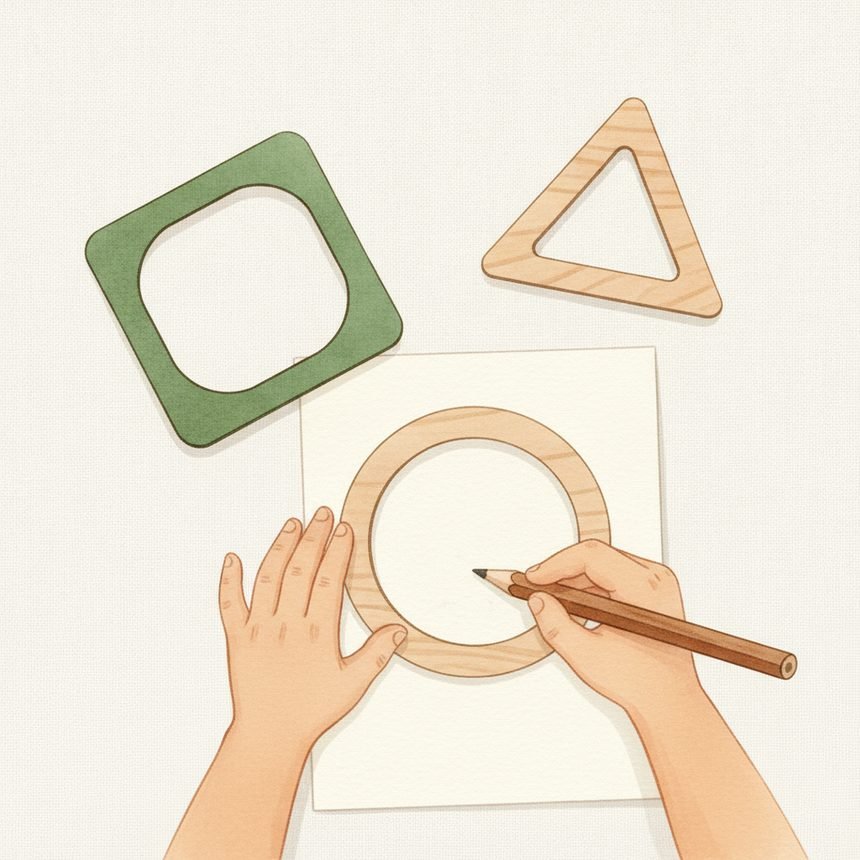
Tracing Shapes with Stencils
The crayon follows the edge of the shape: the hand learns where to stop.
For 4 to 6 years
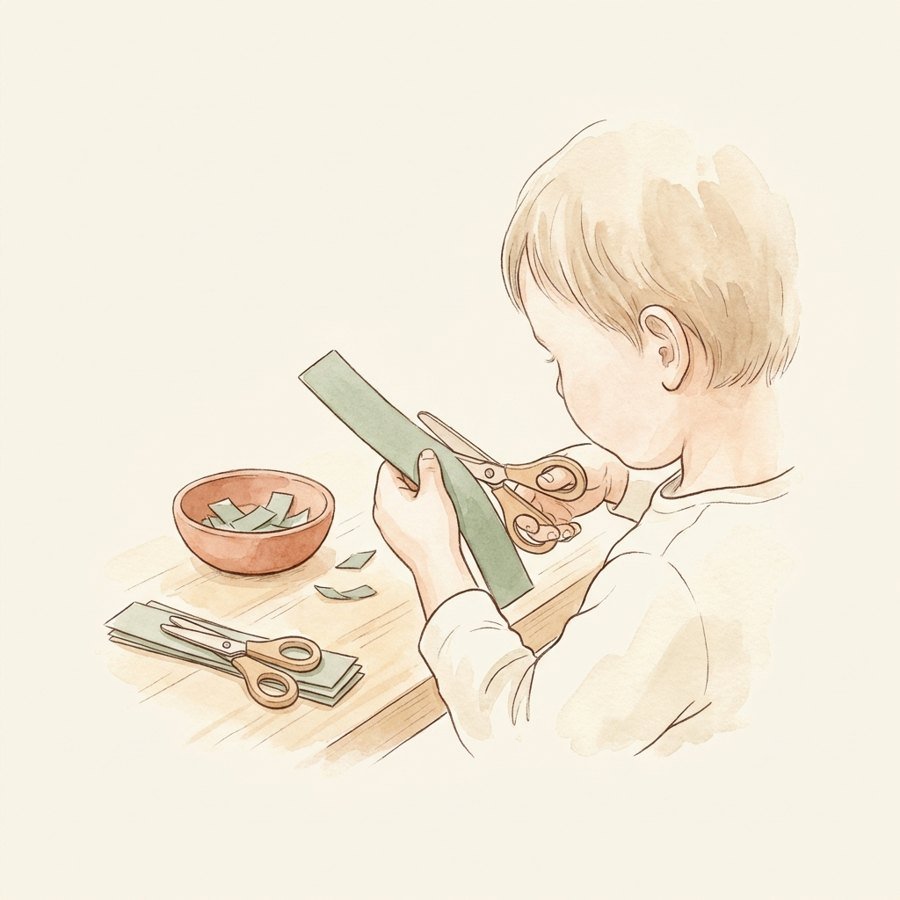
Cutting Paper Strips
Open, close, advance. Scissors get tamed in just a few sessions.
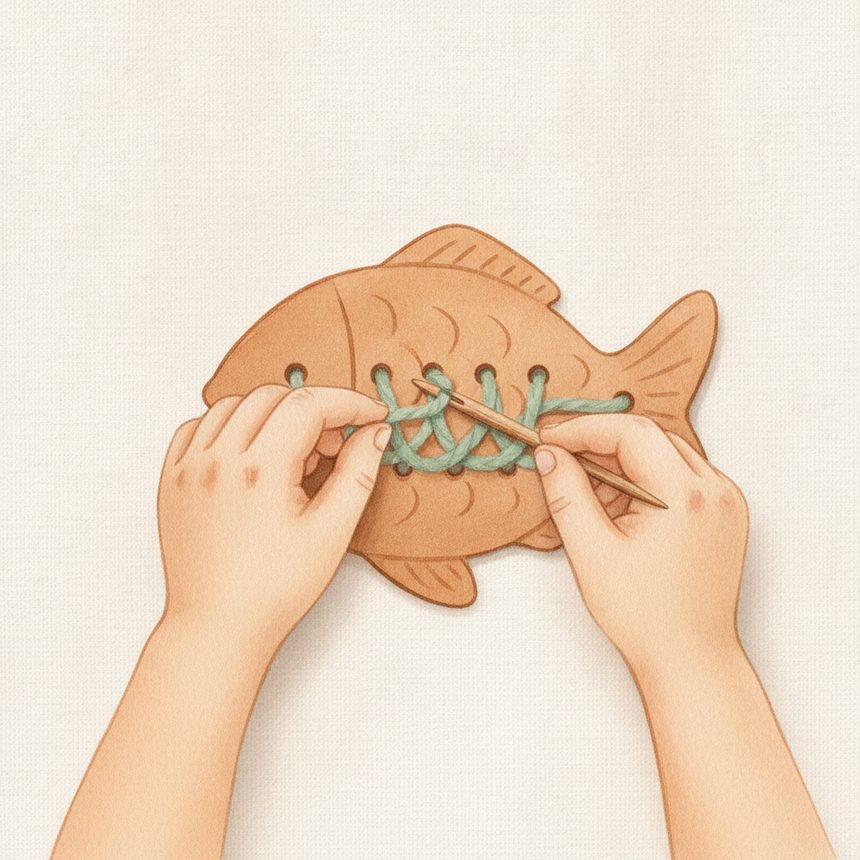
Sewing Cards
A round-tipped needle, yarn, a punched card: over, under, over, and the pride of having sewn.
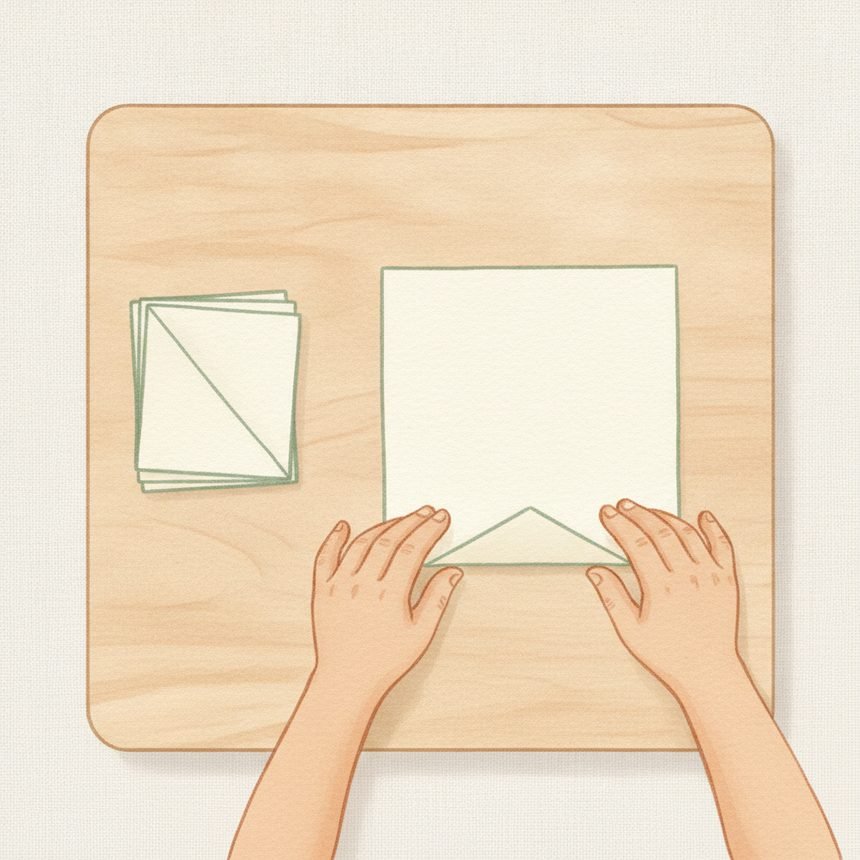
Folding Paper on the Line
Bringing corner to corner, pressing the crease with a steady finger: the precision that prepares geometry.
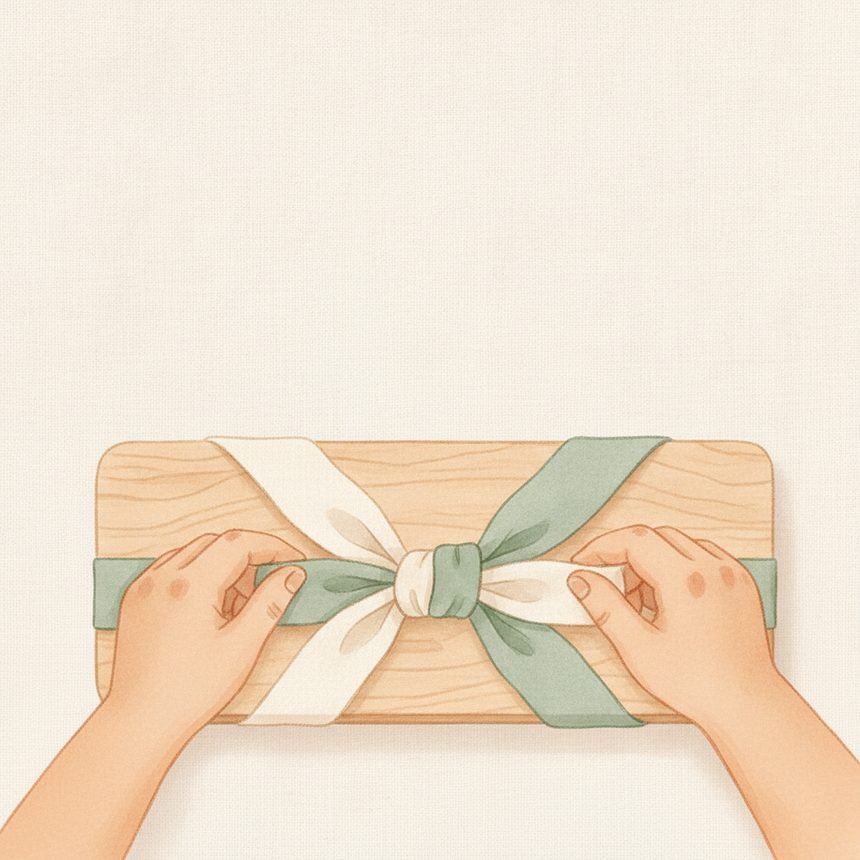
Tying and Untying Knots
Two ribbons, a simple knot, then a loop: fingers learn what shoelaces will one day demand.
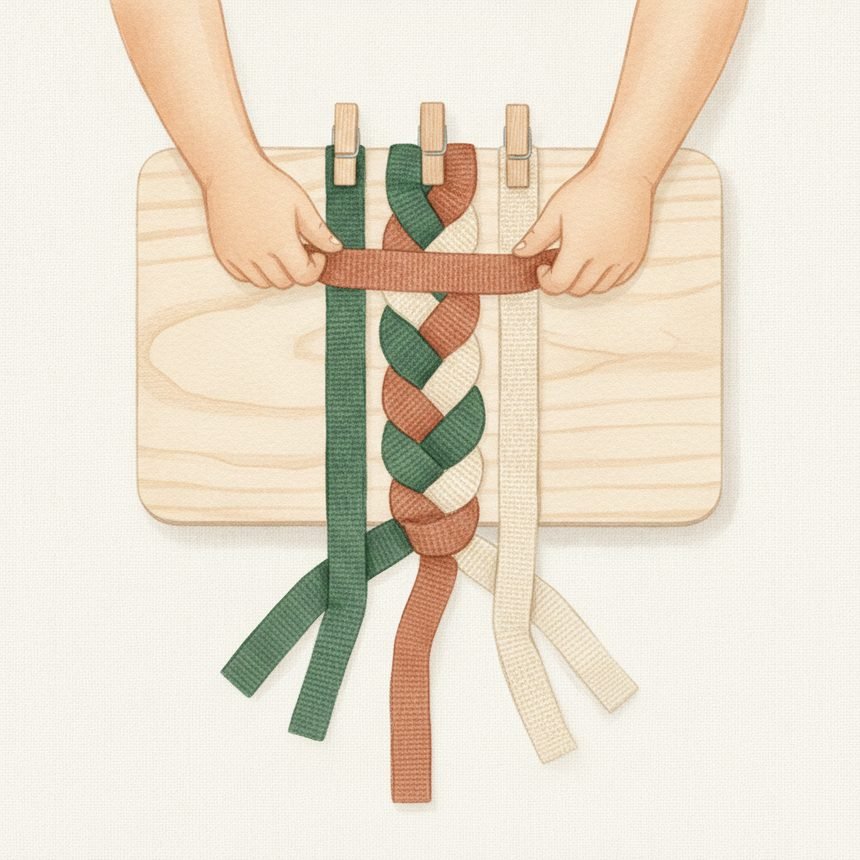
Three-Strand Braiding
Three ribbons crossing over one another, always in the same order.