
Carrying a Tray
A tray in both hands, a short trip, and a cup that must not spill: the signature movement of independence.
Carrying a Tray is a Montessori activity for a child aged 18 to 24 months. Area: Practical Life. Time: 5-10 min.
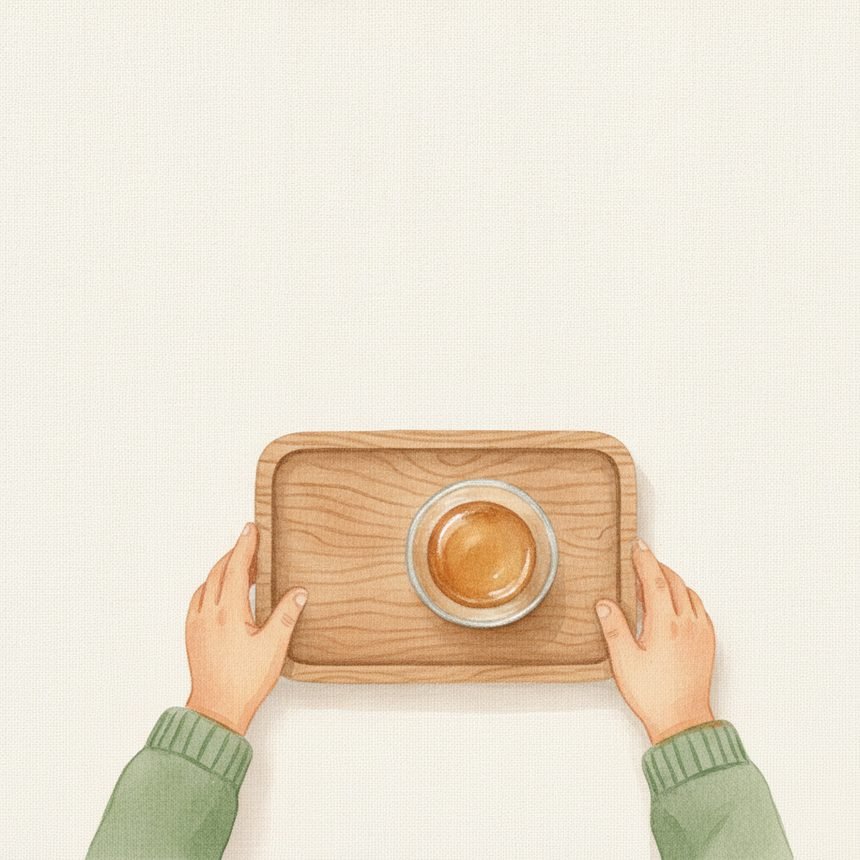
What the activity builds
Coordinate walking and holding around an object that has to stay level. The tray is the founding movement of all practical life work, it's what will later let them fetch THEIR OWN activity and bring it back, alone.
The materials
- A small rimmed tray, light, about the width of their shoulders
- Nothing on it at first, then a stable, unbreakable object, then later a small cup filled halfway
- A short, clear path, from one table to another
How to do it, step by step
- Show the grip: one hand on each side of the tray, thumbs on top, tray held in front at belly height.
- Walk slowly for a few steps, looking ahead rather than at the tray, then set it down using both hands.
- Hand them the empty tray and let them make the same trip.
- Once the empty trip is steady, add an object, then later a cup filled halfway.
- The tray always goes back to its spot: that's where it will be picked up next time.
The parent's role
Show once, then step back. Don't walk beside them with your hands hovering over the tray, ready to catch it, your worry transfers and throws off their balance more than it protects them. The half-filled cup is the control of error, water rising to the rim is easy to see. Start with the empty tray for as long as it takes.
Safety
Nothing hot, nothing in thin glass, nothing heavy at first. A path with no steps or slippery rugs. Trays don't go on stairs for several more years.
You remain the sole judge of what is right for your child. These activities are offered for educational and recreational purposes: they do not replace medical advice or the guidance of an early childhood professional.
Ways to adapt the activity
- Easier: the empty tray over a three-foot trip.
- Harder: a nearly full cup, or a path with a turn.
- Extension: bringing their own activity tray down from the shelf, the real Montessori work cycle.
Up next
More activities for a 18 to 24 months child.
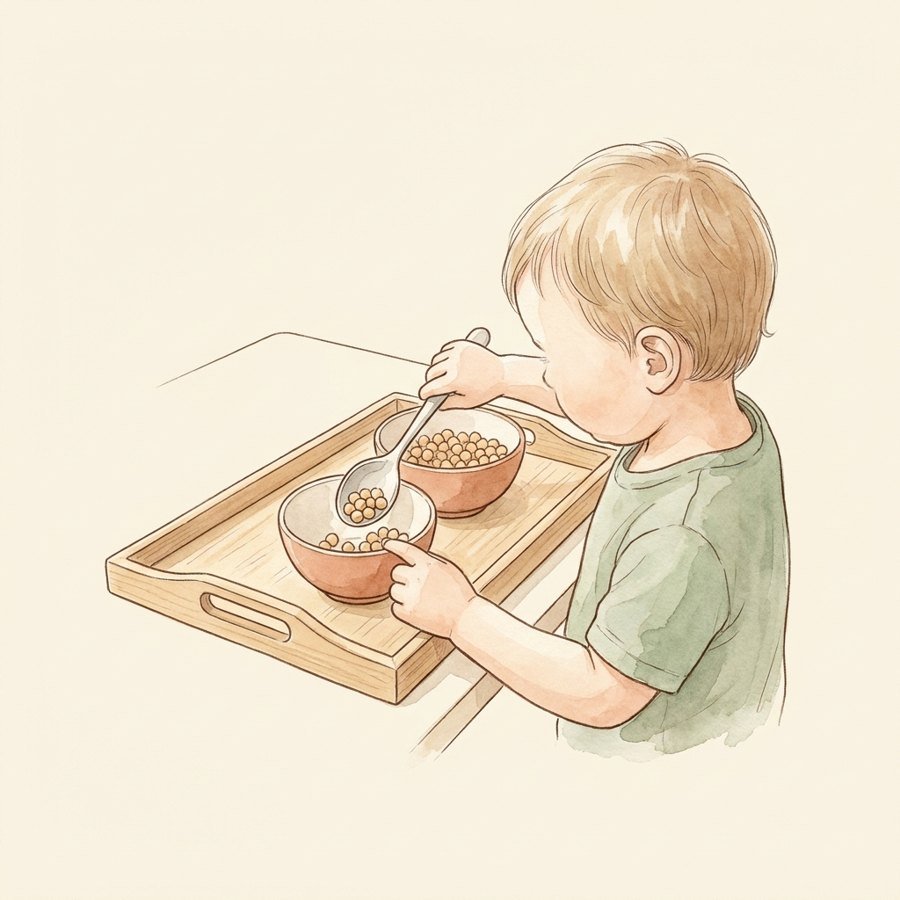
Spoon Transfer
Two bowls, a spoon, and dried chickpeas: the first big independence project.
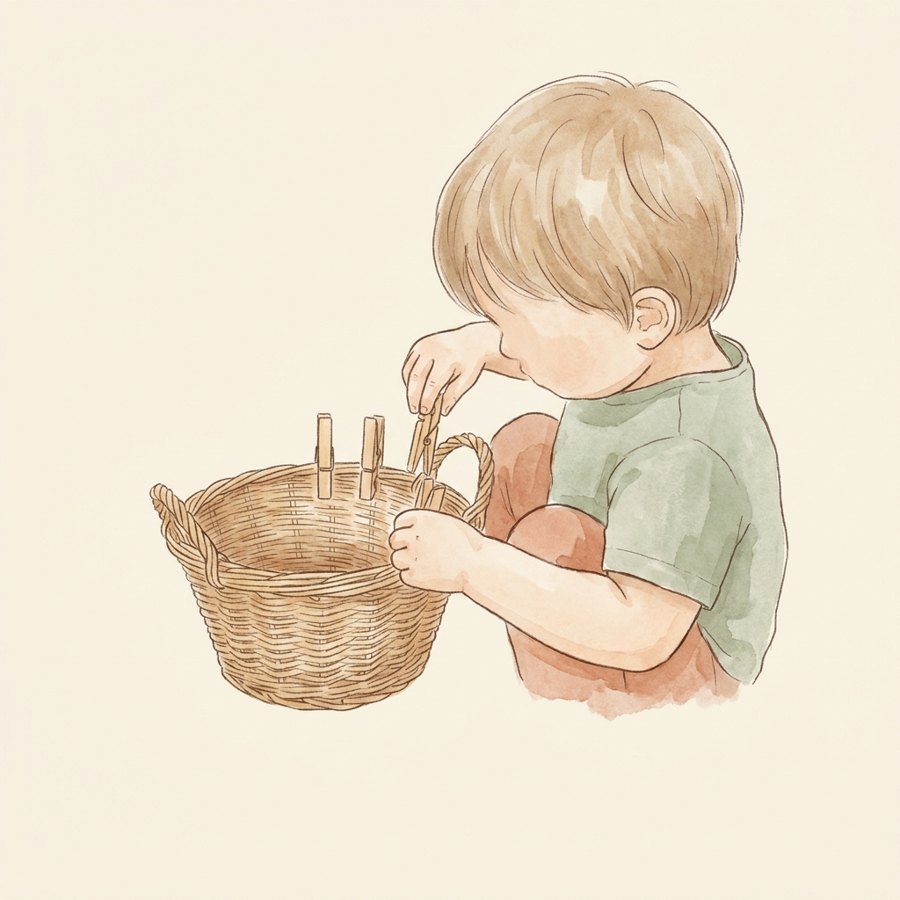
Clothespins on a Basket
Pinch, clip, unclip: three fingers building the grip they will use to hold a pencil.
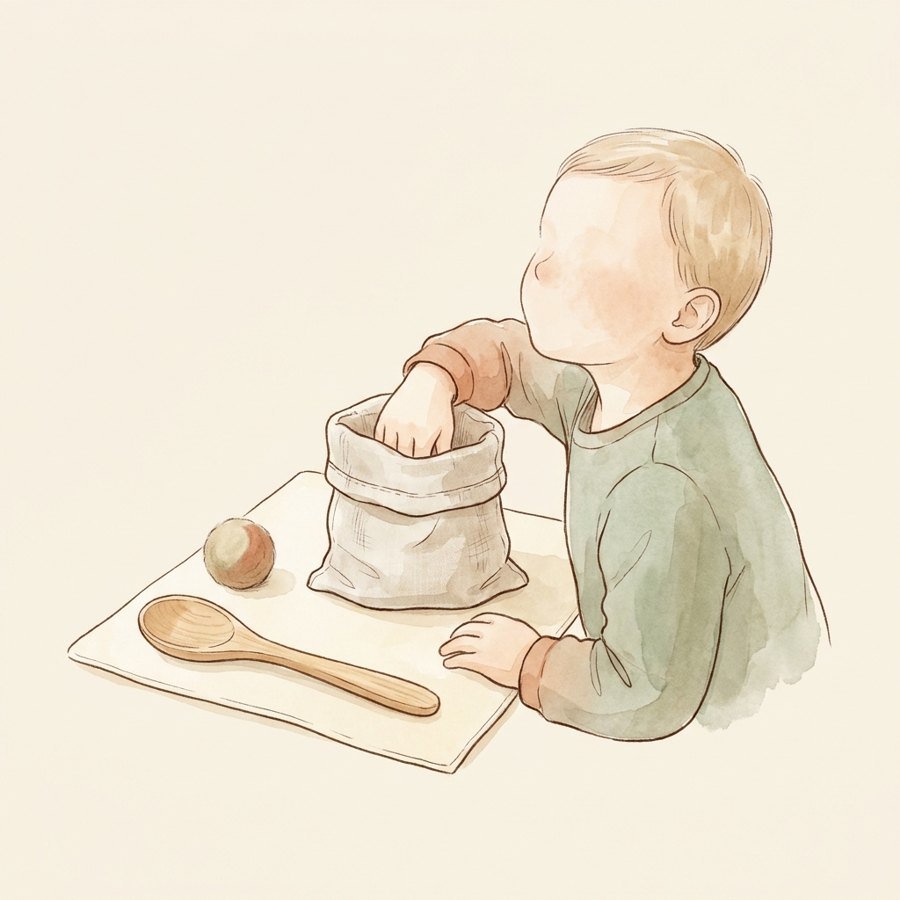
The Mystery Bag
Recognizing an object by touch alone, without seeing it. A small magic trick for the hands.
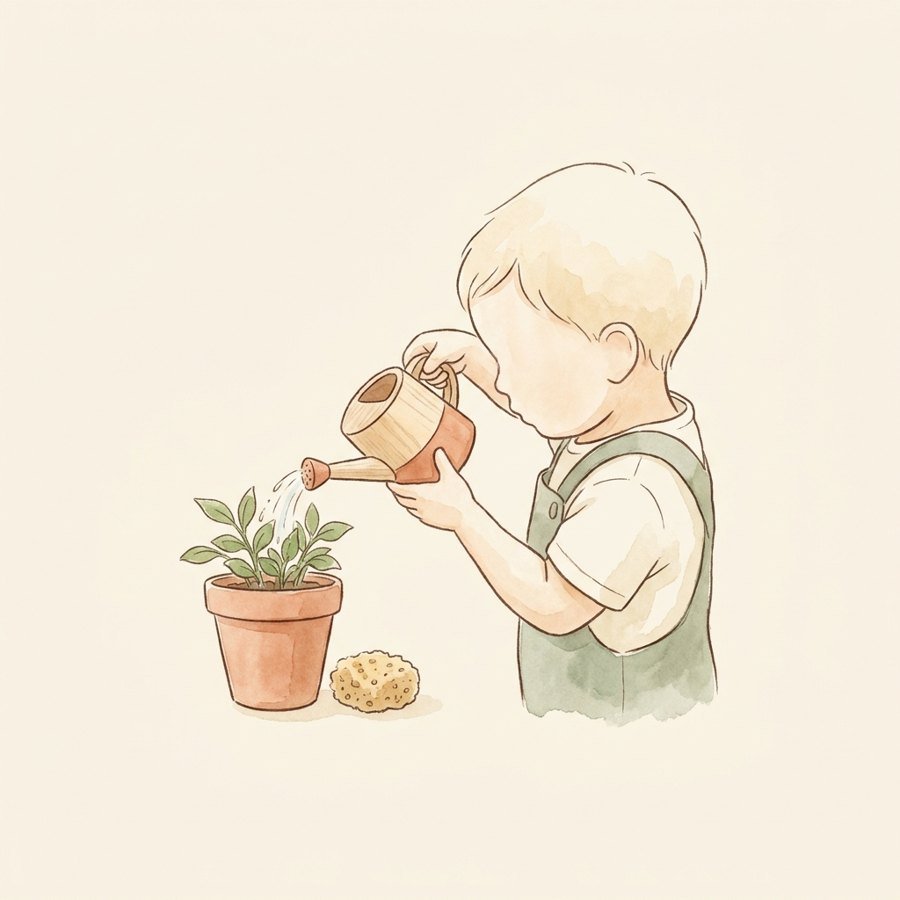
Watering a Plant
A real responsibility, well within reach of an 18-month-old.
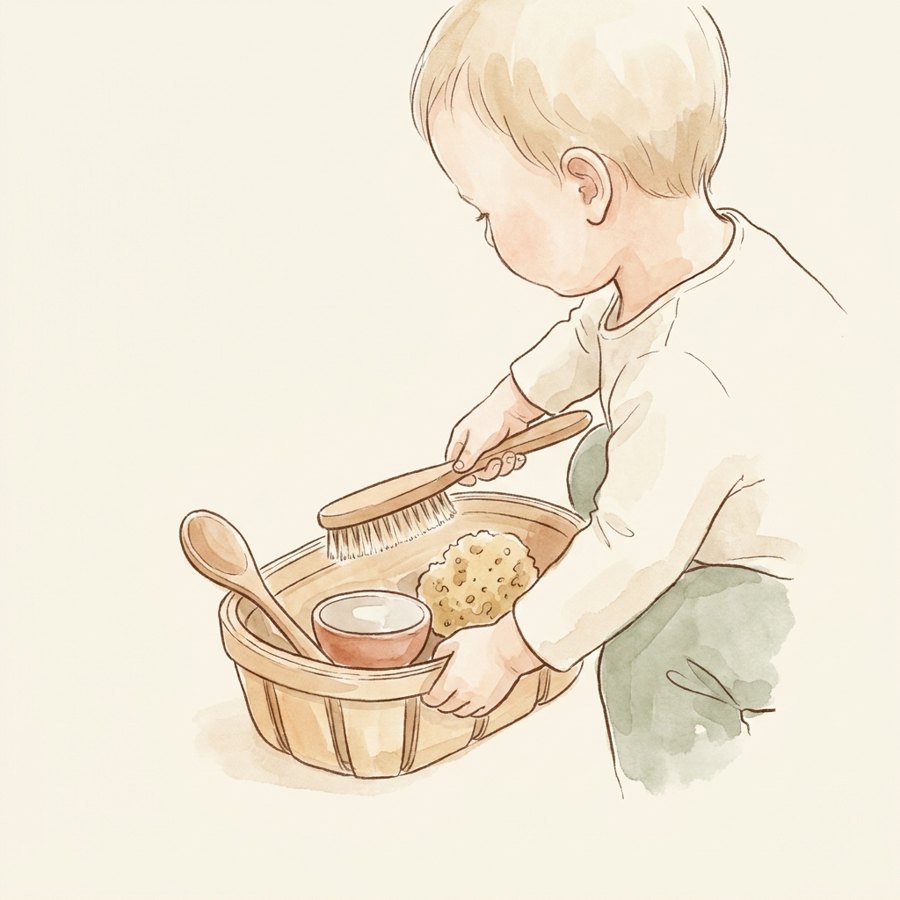
The Real Objects Basket
Five household objects in a basket, and one exact word set on each.
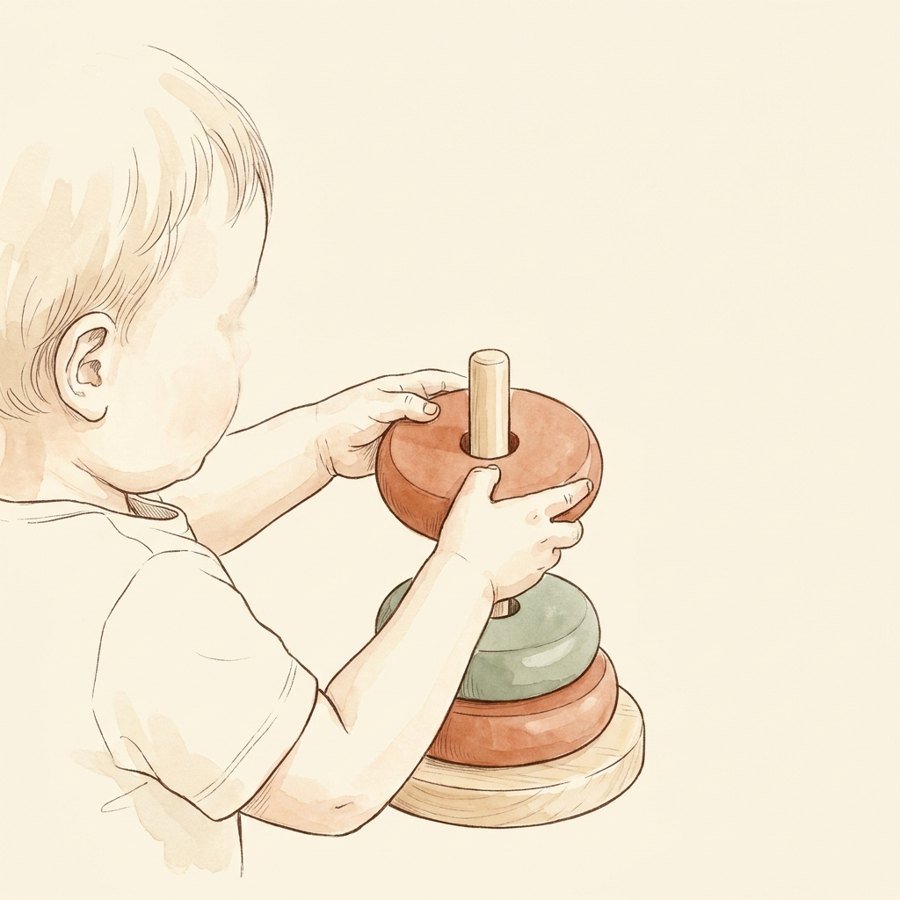
Ring Stacking
Aim, slide, let go: the first precision movement, with a satisfying sound at the end.
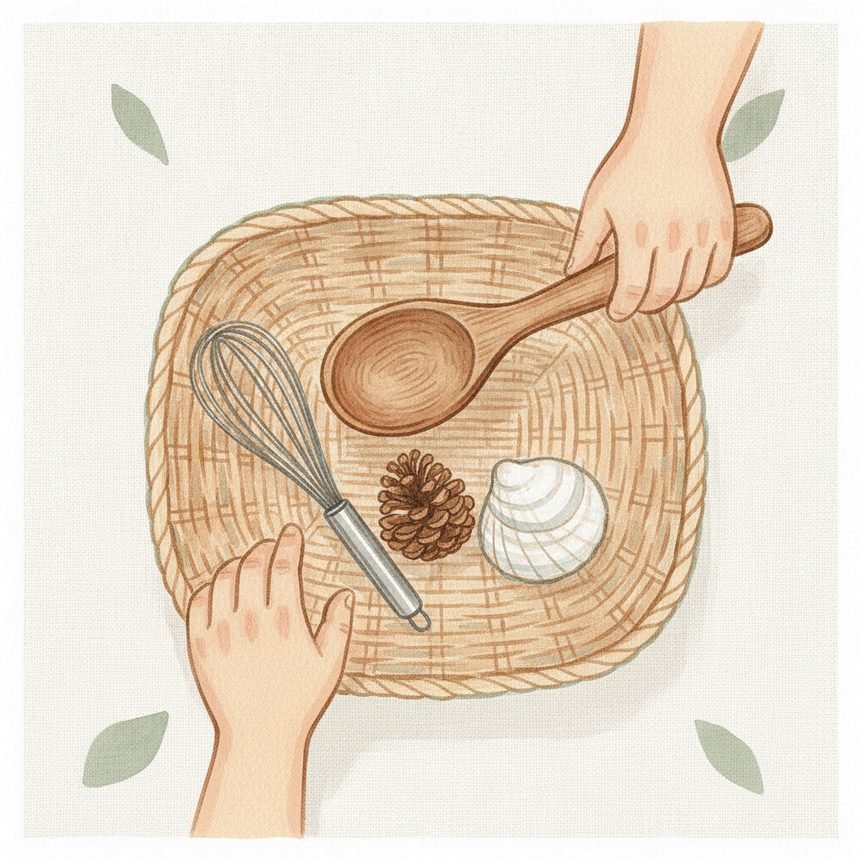
The Treasure Basket
A basket of real objects to freely explore with hands and mouth: the first sensory discovery.
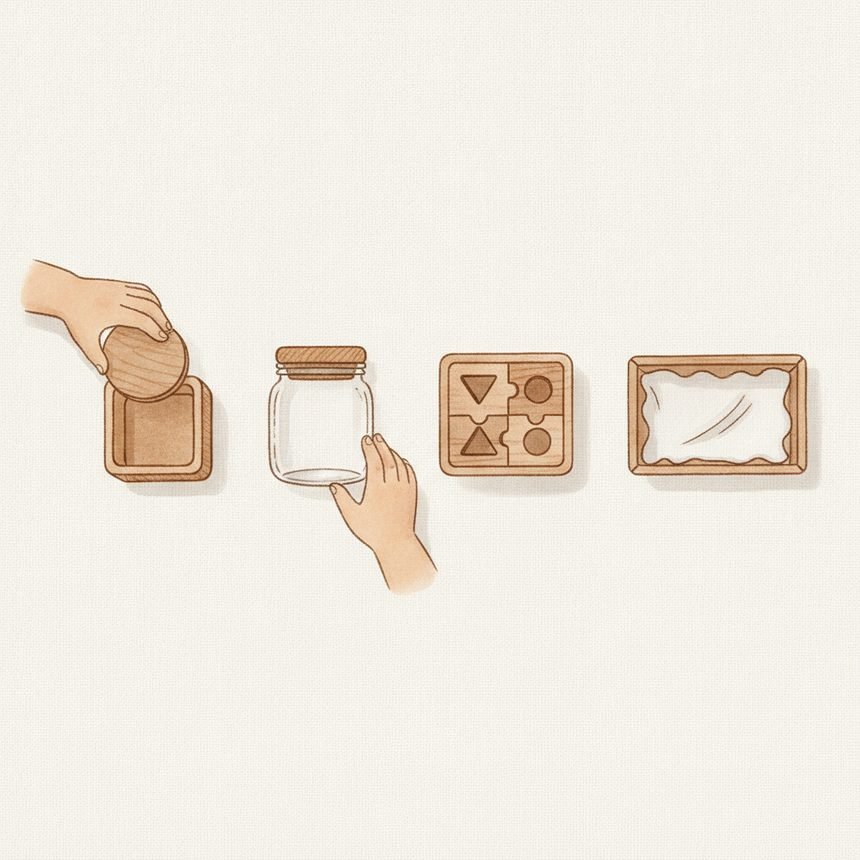
Opening and Closing Containers
Containers of every kind, to open and close again: each lid asks for a different move.
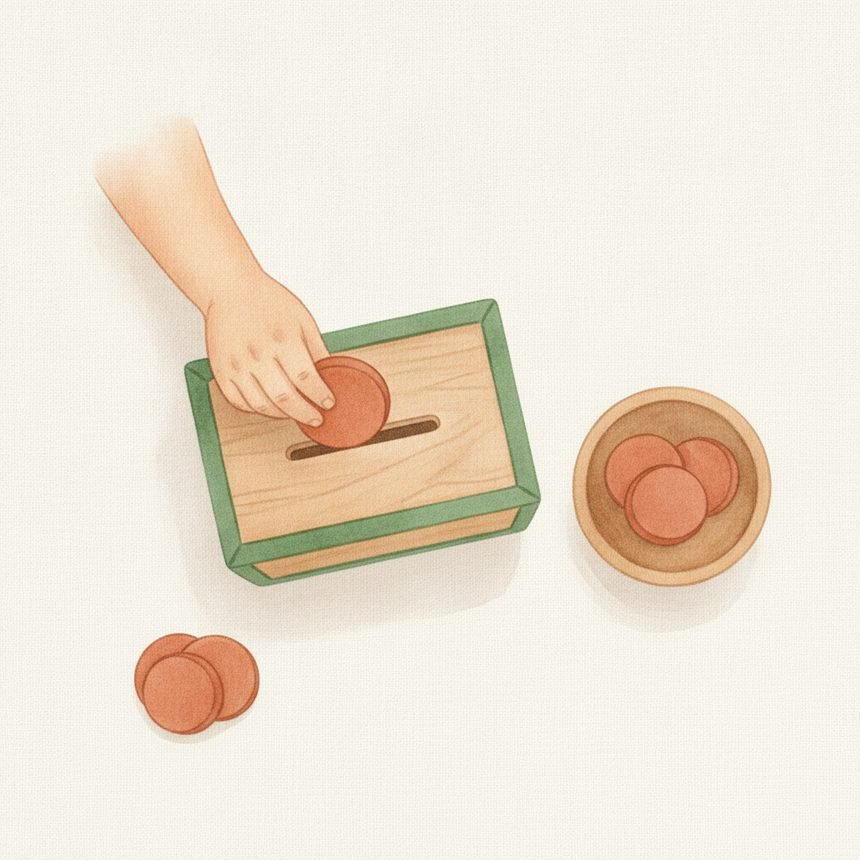
The Coin Box
Sliding big coins through a slot, then opening the box back up to find them: a classic that never fails to captivate.
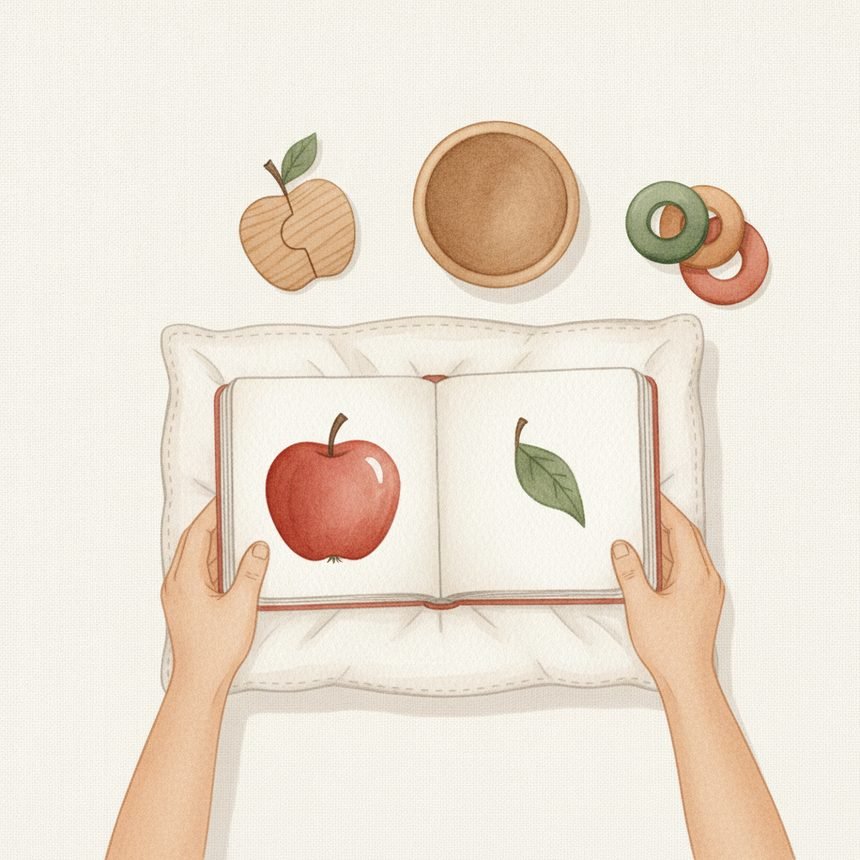
Real Picture Books
A book of real photographs, an adult fully present: words arrive through the lap.
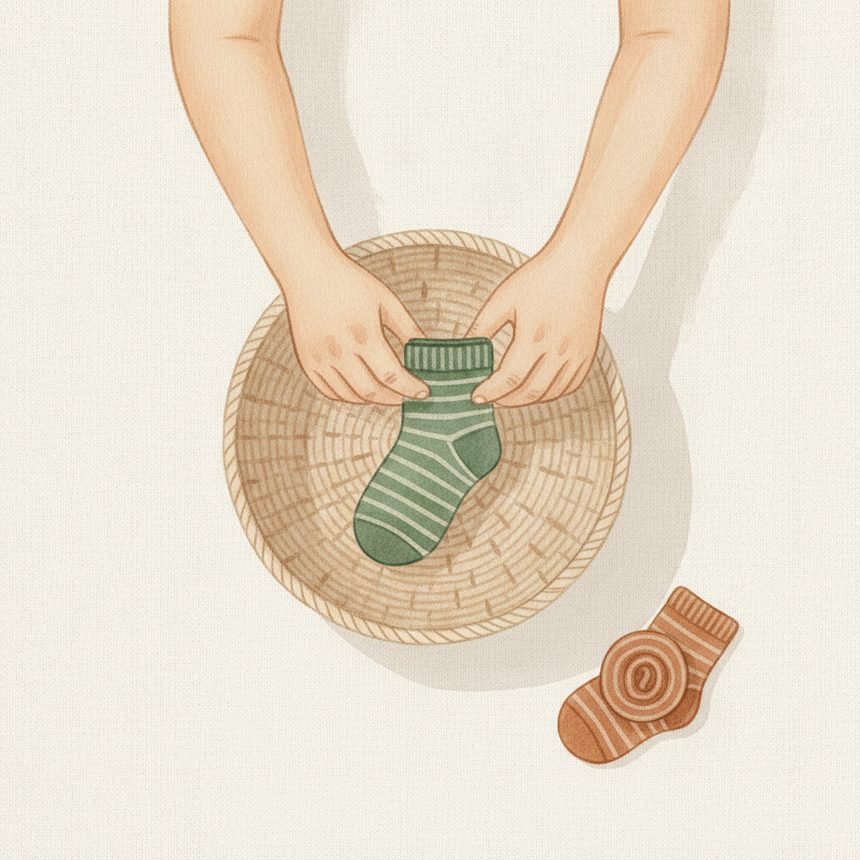
The Laundry Basket
Socks in the basket, every evening: the first real responsibility, at kid height.
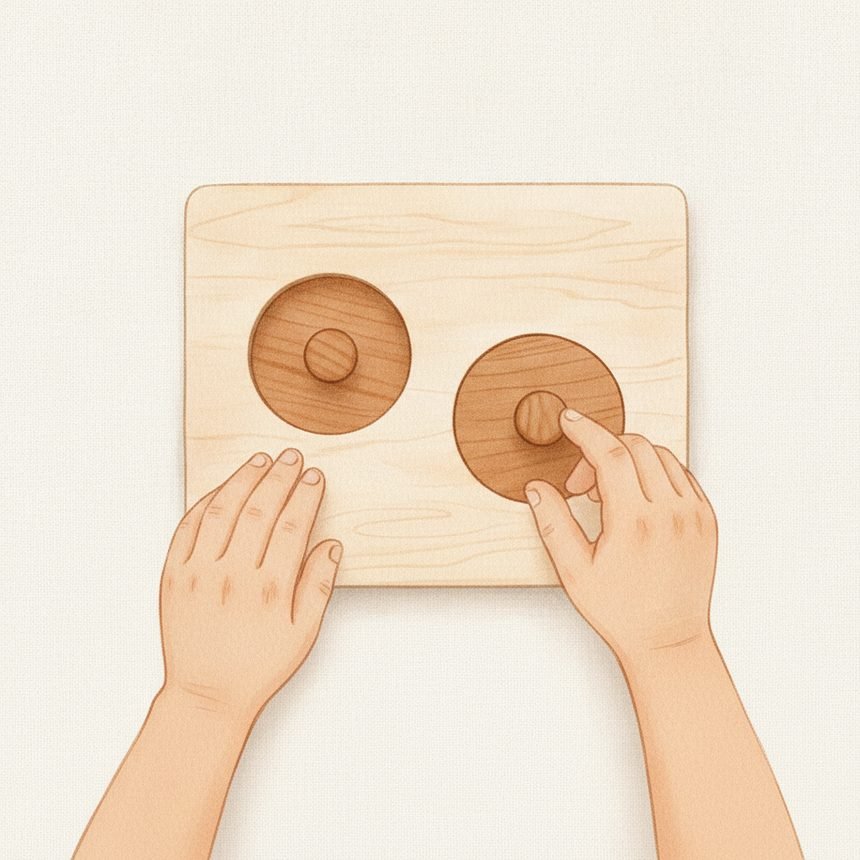
The First Shape Puzzle
A one-piece round puzzle with a big fat knob: the circle fits, or it doesn't.
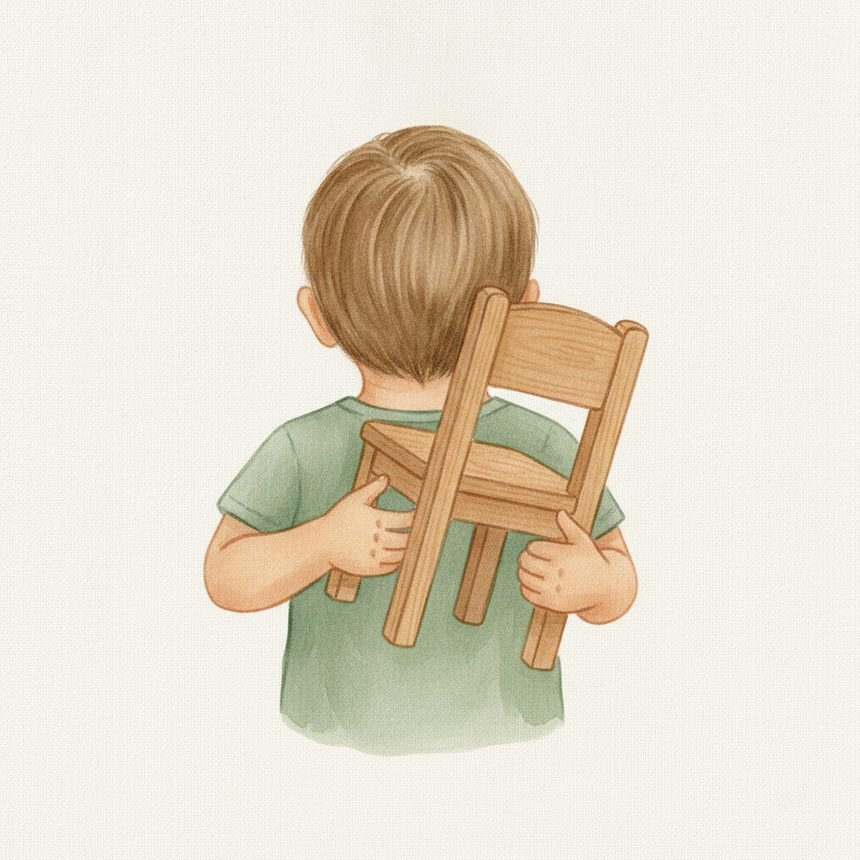
Carrying a Chair
Carrying a small chair with both hands and setting it down without a sound: the whole body learns control.
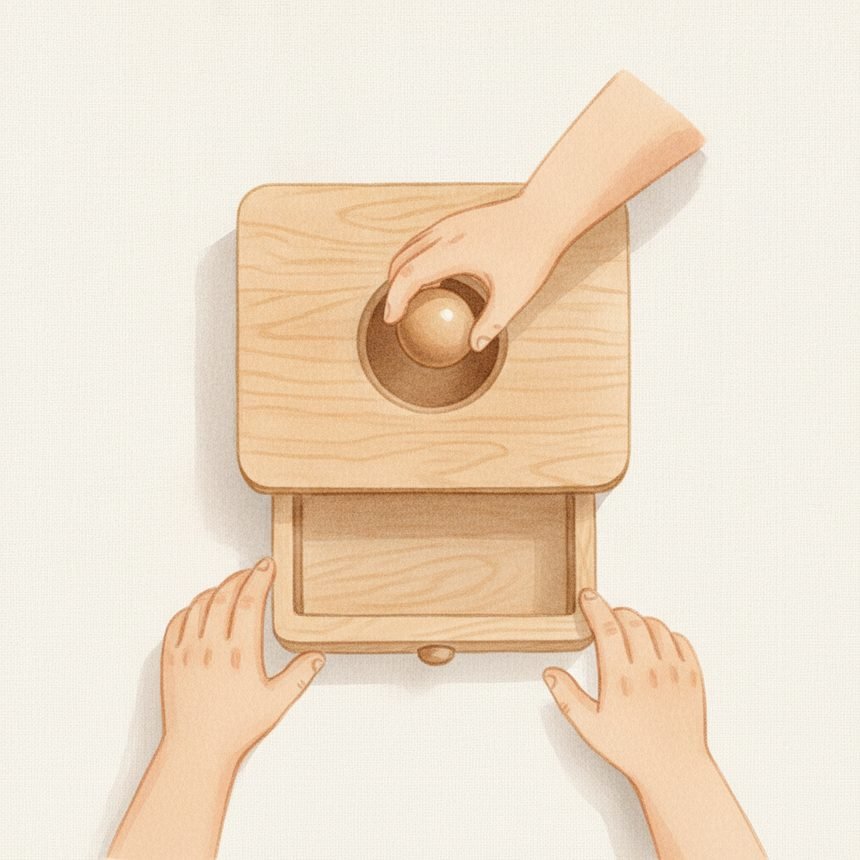
The Object Permanence Box
The ball disappears into the hole, then reappears in the drawer: the great mystery of objects that come back.
Action Songs
The same songs, the same motions, every day: music that plants the words.
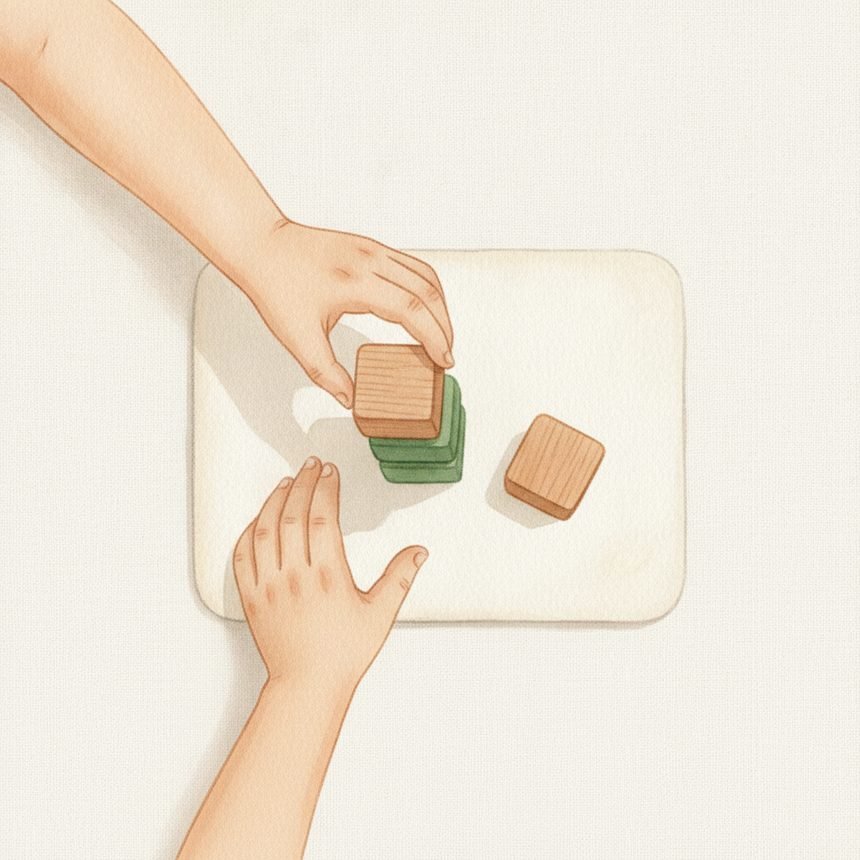
Stacking Blocks
Setting one block on another, letting go without knocking it over: the hand learns gentleness.
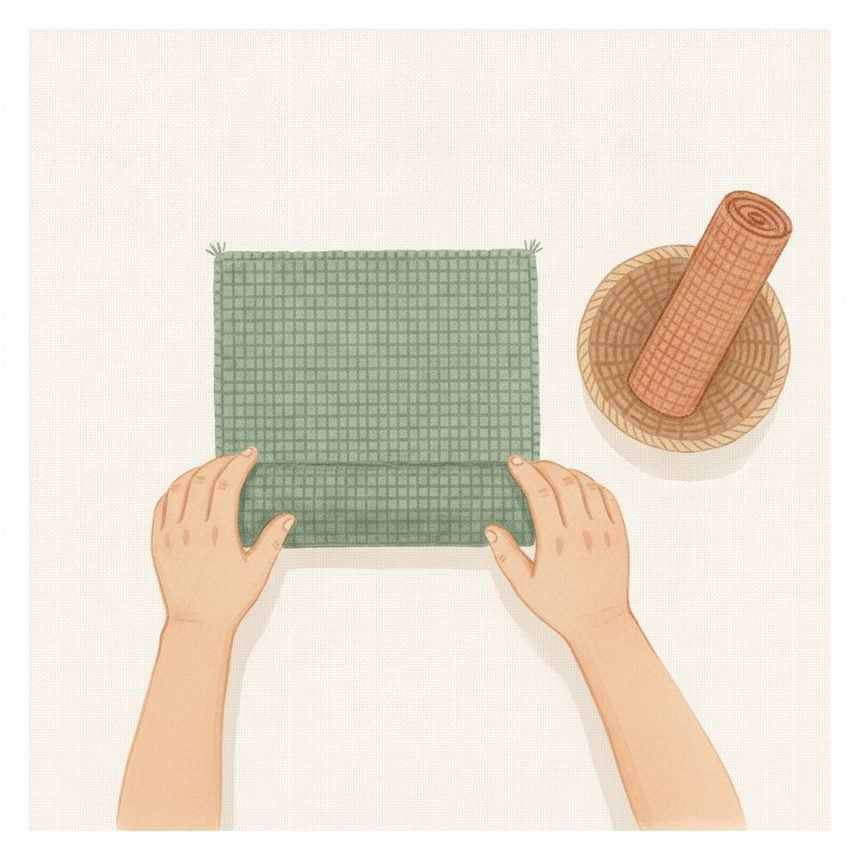
Rolling Out a Work Mat
Rolling out a small mat, working on it, then rolling it back up and putting it away: the frame for everything else.
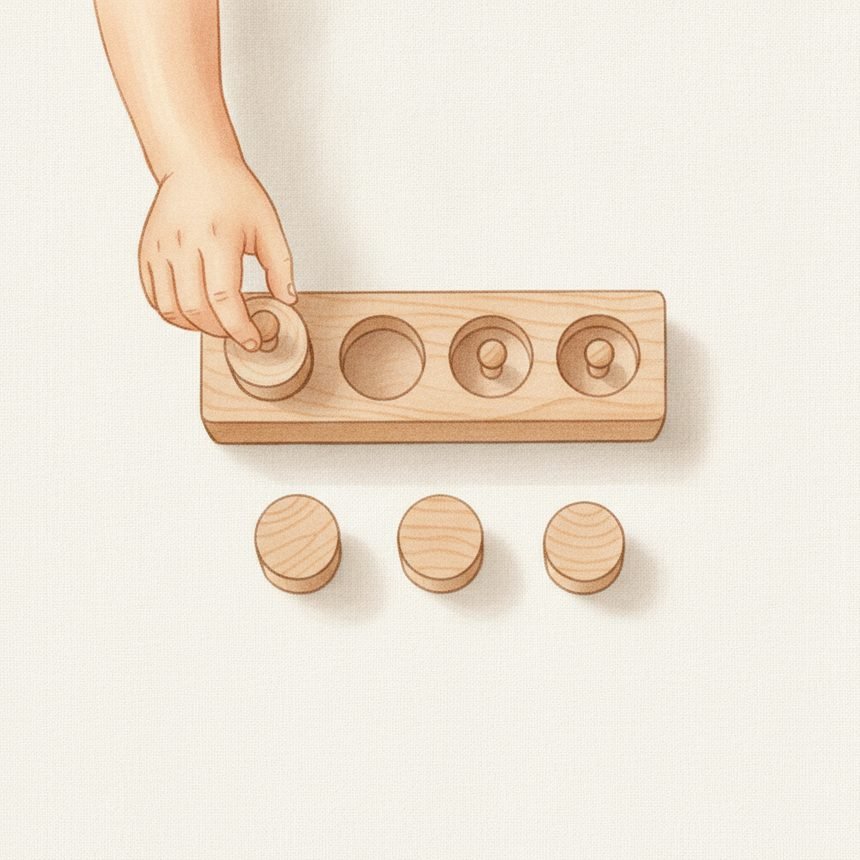
Knobbed Cylinders
Cylinders of different sizes, only one hole that fits each one: the wood doesn't lie.
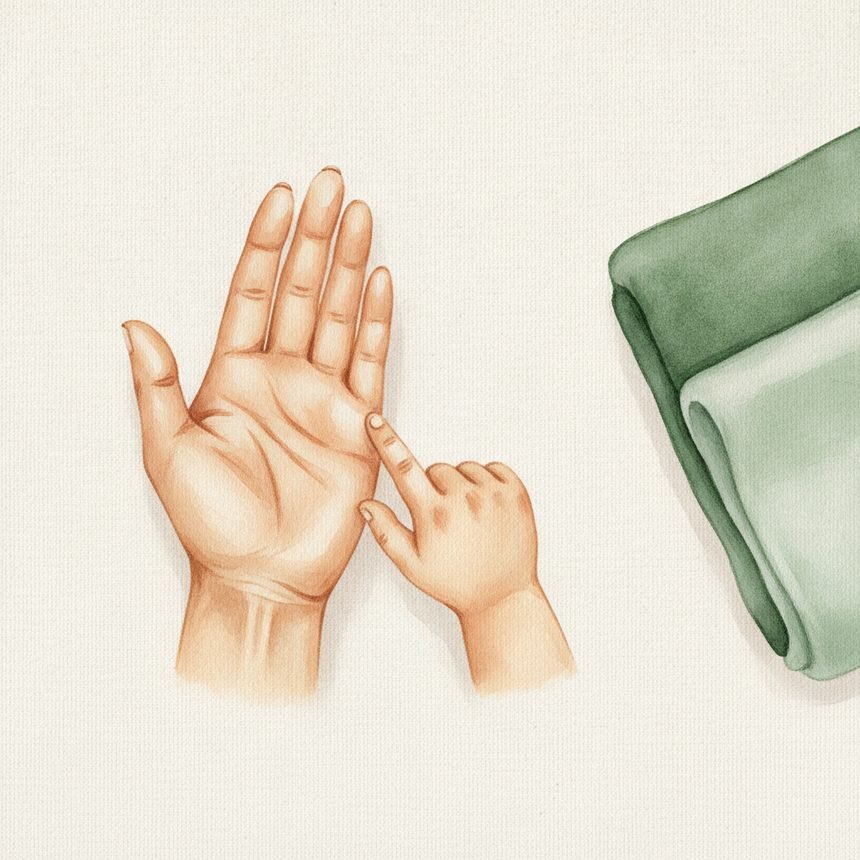
Naming Body Parts
Where's your nose, where's your elbow: the words for the body arrive through the pointing finger.
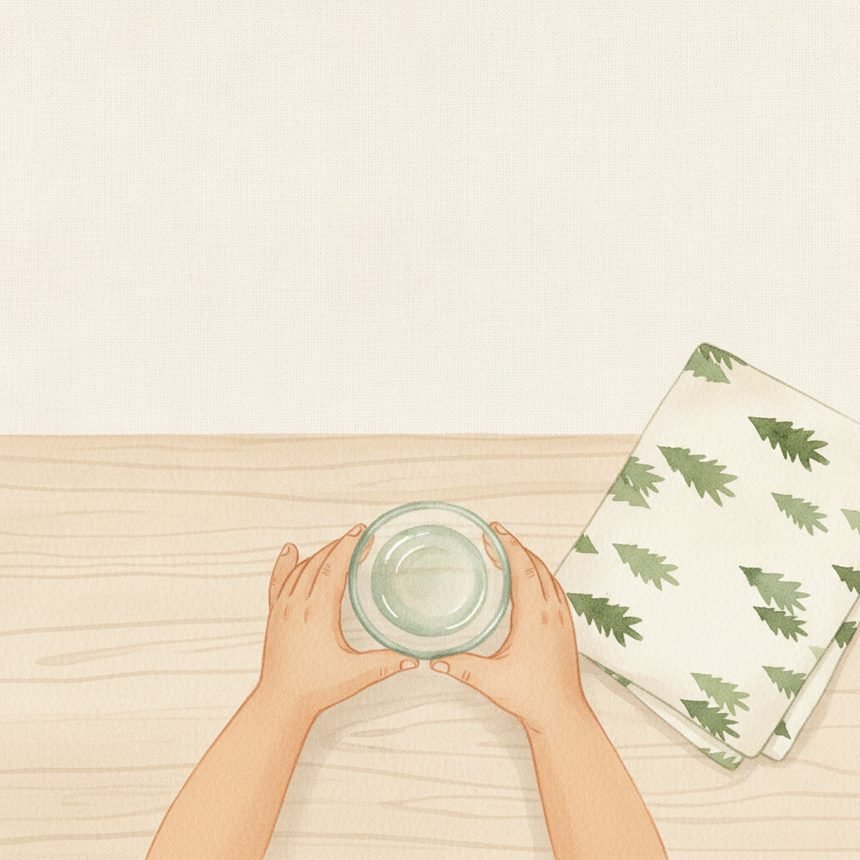
Drinking From an Open Cup
A real little glass, filled just at the bottom, and the pride of drinking like the big kids.
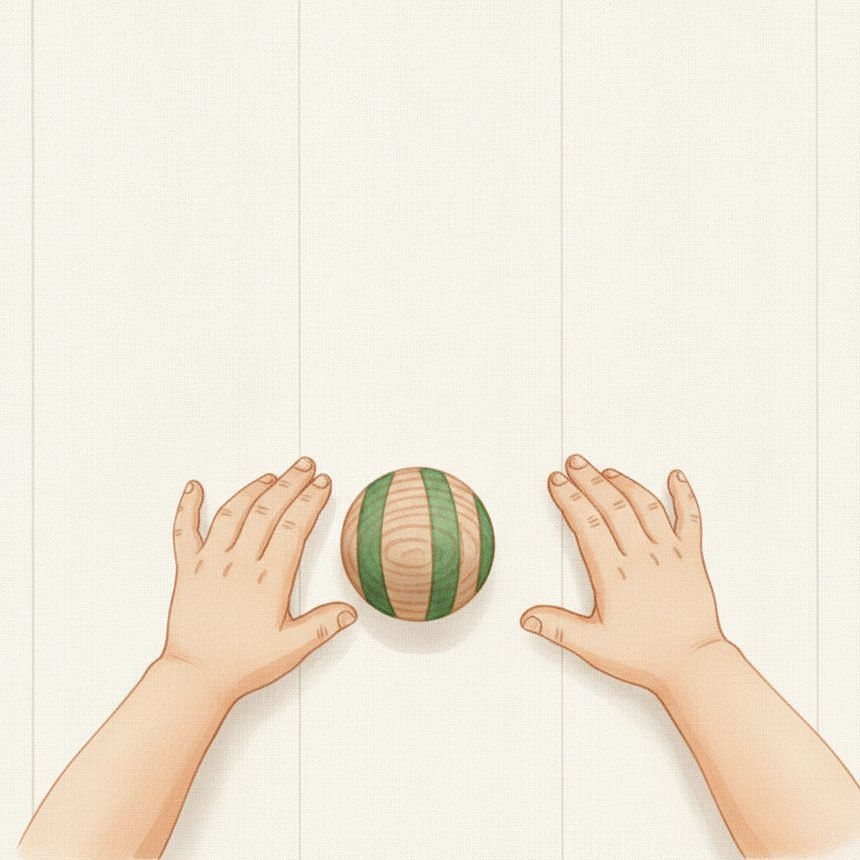
Rolling a Ball
A ball that leaves, rolls, and comes back: the first back-and-forth with another person, no words needed.
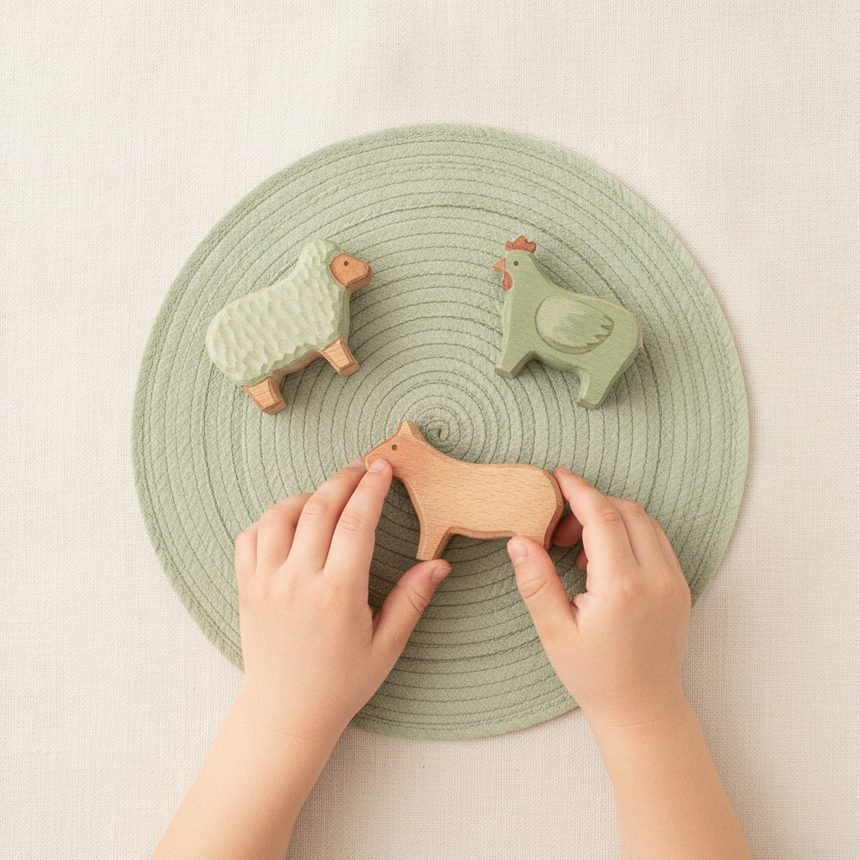
Animal Sounds
The cow says moo, the cat says meow: first words often start right here.
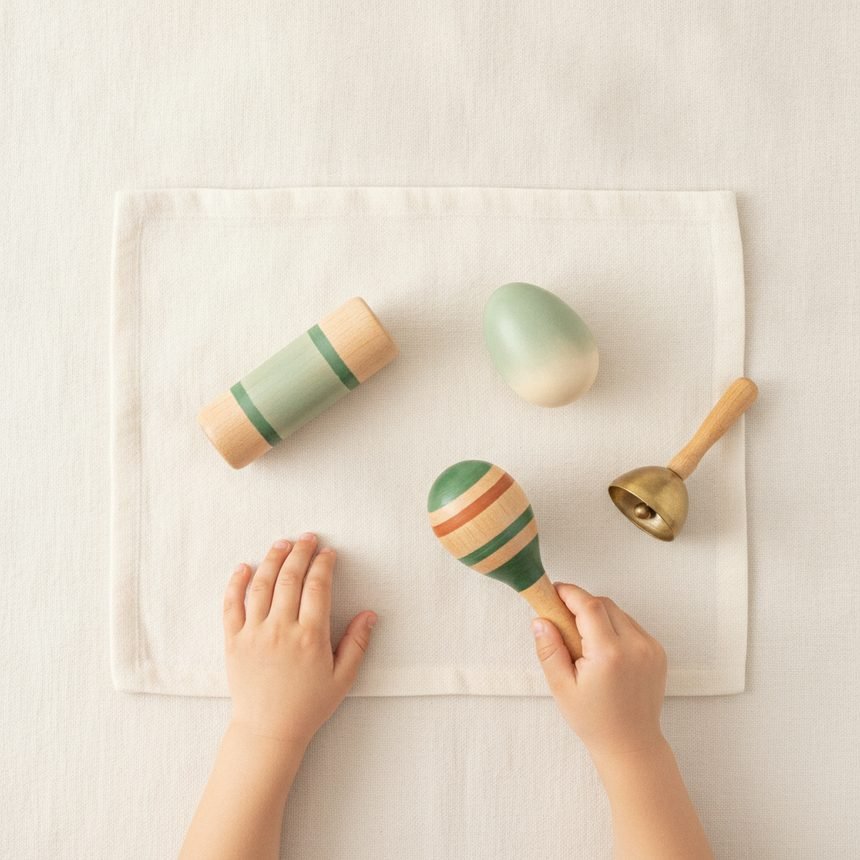
Shaking Instruments
A bell, maracas, a small tambourine: discovering that a motion makes a sound.
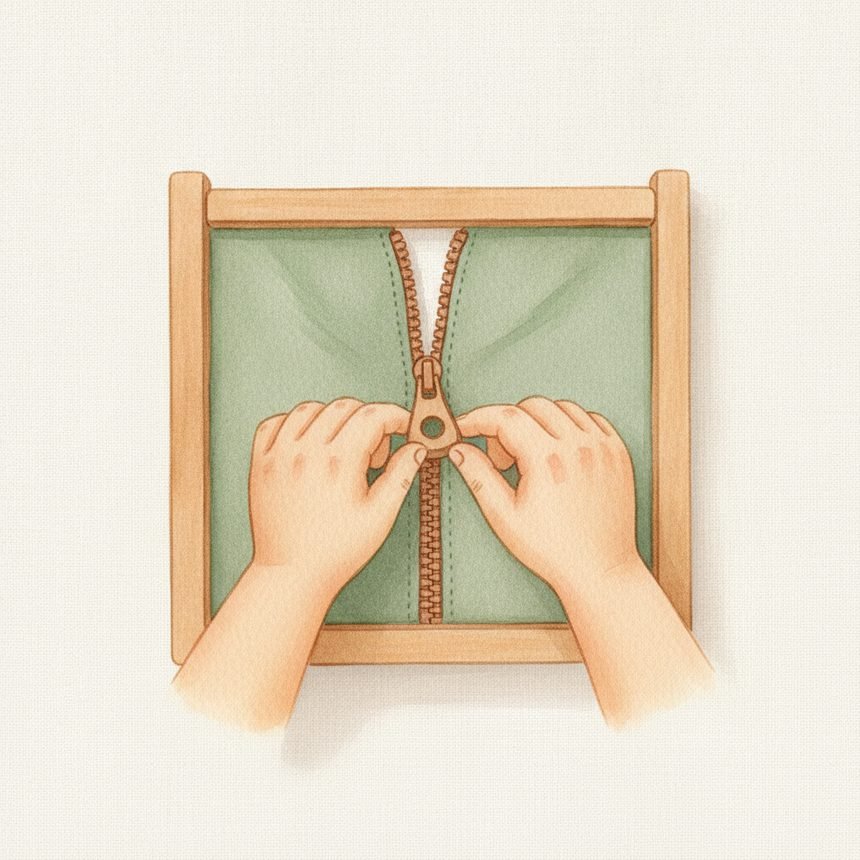
Zipper Practice
Pinching the zipper pull and tugging in one clean motion: a movement that opens coats and pencil cases.